Ways4eu WordPress.com Blog
SPA View of ways4eu.wordpress.com
🌀 Pinwheel, Puns, and a Whole Lot of Cosmic Wow
By JohnTheWordWhirlwind
on Mon Mar 23 2026
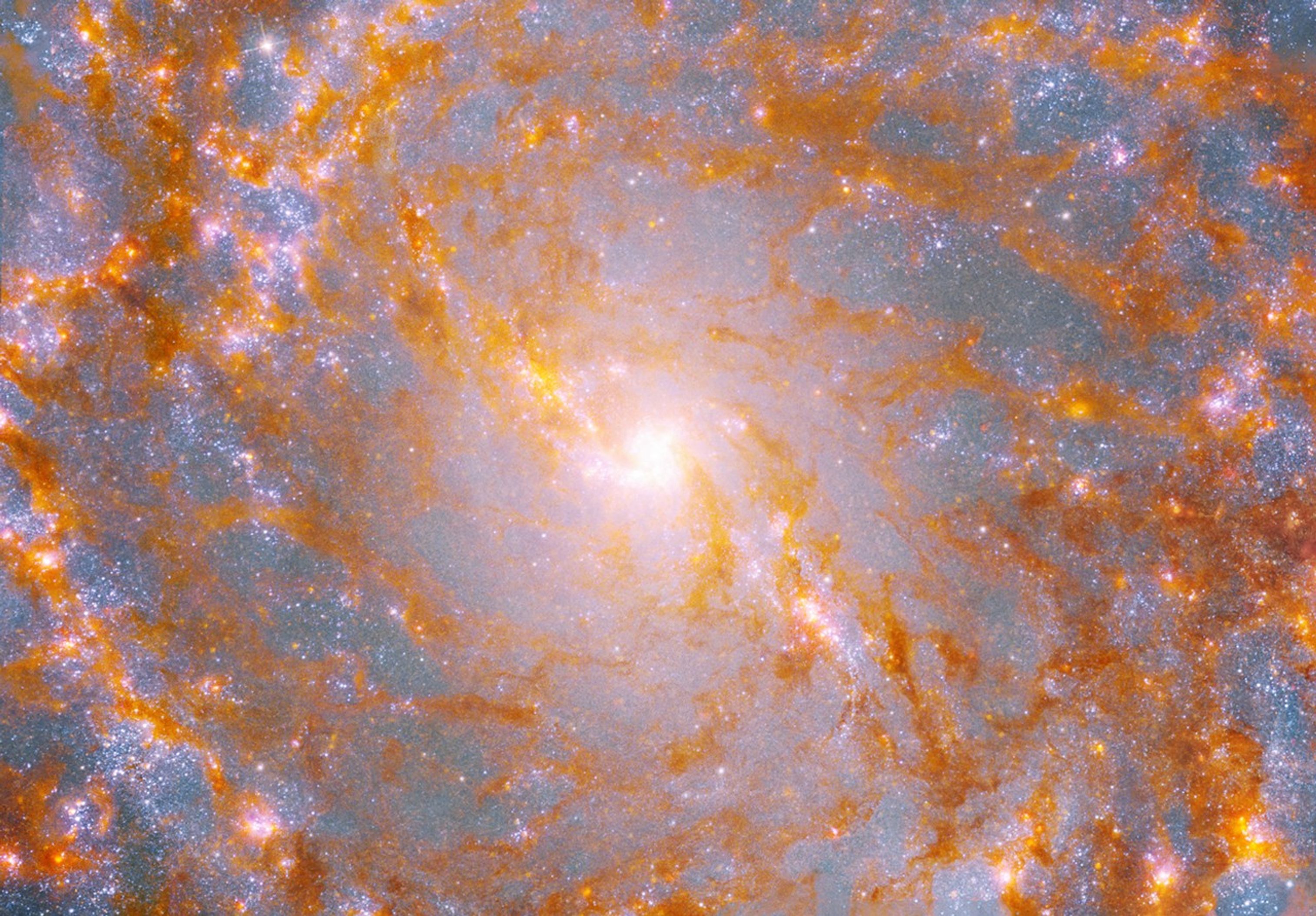
🌀 The cosmos just dropped a new headline—and it’s sparkling with more drama than a soap opera filmed on a supernova.
A breathtaking new image from the Hubble Space Telescope and the James Webb Space Telescope takes a closer look at the core of Messier 101, also known as the Pinwheel Galaxy. If you’ve ever wondered what a galaxy looks like after a very expensive spa day, this is it: polished, radiant, and somehow still managing to look effortlessly celestial.
🌌 A Quick Mental Image
Think of a grand, pinwheel-shaped whirlpool of stars swirling in the vast bathtub of the universe. Now squint your eyes a little and imagine a couple of space telescopes gently prodding the core as if to say, “Pardon me, just poking around your starry cardigan.” What we get is not just a pretty picture; we get a peek into the busy, glittering backstage of a galaxy that’s been spinning for billions of years.
The core of the Pinwheel Galaxy is a bustling metropolis of stellar life. Here, clouds of gas and dust condense into newborn stars, while older stars mingle with the light from countless supernovae that have already left their fiery post-it notes on the scene. It’s a cosmic crowded elevator—except instead of people, there are planets waiting to be born, and instead of a polite buzzer, the universe uses the hum of gravity to announce when a new star arrives.
🔭 The Dynamic Duo: Hubble + Webb
What makes this image so compelling (besides the obvious “wow, space!” factor) is how the Hubble and Webb telescopes complement each other. Hubble brings the tried-and-true sharpness we’ve trusted for decades, like the dependable friend who can always find your keys in the couch cushions. Webb, with its infrared prowess, swoops in like a high-tech Sherlock Holmes, detecting warmth and hidden details through cosmic dust that would make a librarian cry from joy. Put together, they’re a tag team that could solve the mystery of where all those missing socks go—except here, they’re solving the mystery of how many stars can fit into a single glittering core.
📐 By the Numbers
If you’re into numbers (or you just enjoy a good astronomical plot twist), the Pinwheel Galaxy is a sprawling spiral galaxy about 21 million light-years away. That means light from this place has been traveling for 21 million years to reach our telescopes. By the time we see the core’s twinkling heart, the events you’re glimpsing may have already been replaced by new, dazzling chapters in the galaxy’s ongoing saga. It’s like reading a diary written in starlight, a chronicle where every page is illuminated by the warm glow of a trillion stories.
😂 And Yes, There Are Puns
The Pinwheel Galaxy isn’t just a pretty face; it’s a cosmic propeller of wonder. Every new image is a reminder that the universe isn’t only vast; it’s playfully intricate. It’s the kind of thing that makes you want to tell your friends, “Did you hear about the galaxy that spins so fast it’s virtually spinning out of control? It’s a real spin-doctor of the cosmos.” Please blame the gravity; it’s got a sense of humor.
🌟 A Cosmic Duet
For anyone who loves science as much as a good punchline, these telescope collaborations are a reminder that exploration is a collaborative sport. Hubble provides the crisp, optical glow, like a well-lit stage. Webb adds depth with infrared vision, revealing the hidden layers that tell a richer story about star formation, dust lanes, and the hidden choreography of a galaxy in motion. Together, they give us a more complete portrait of a living, breathing Pinwheel—a galaxy that has been dancing in the dark for eons and shows no signs of stepping off the celestial dance floor.
So here’s to the Pinwheel Galaxy: a celestial pinwheel twisting through the fabric of space and time, spinning stories from its core that invite us to look up, listen, and laugh a little at the grandeur of it all. 🚀✨
📷 Image via NASA