Ways4eu WordPress.com Blog
SPA View of ways4eu.wordpress.com
The Loveday That Didn’t End With Confetti
By JohnTheWordWhirlwind
on Wed Mar 25 2026
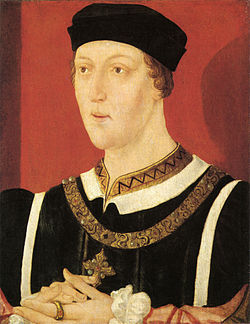
If history had a social calendar, March 25, 1458 would have been a pomp-filled RSVP mismatch: a royal invitation to reconciliation, a procession through the cobblestone nerves of London, and a public display of let us pretend we are friends.
Welcome to the Loveday of 1458, the medieval version of a peace summit held at St Paul Cathedral after a few decades worth of feuds, intrigues, and the occasional custard pie of political violence. Spoiler: the confetti did not do much heavy lifting.
⚔️ Setting the Stage: Wars of the Roses
The Wars of the Roses had already been simmering since 1455, a family feud so dramatic that even today reality TV would file it under too much drama, not enough spa days. Henry VI, reigning monarch in an era when coronations were the social media, launched negotiations to quell the lords rivalries. The goal? A public reset button, a display of unity, and if the stars aligned some long-overdue peace.
🚶 The Procession
On the morning of the Loveday, a procession formed. From Westminster Palace to St Paul Cathedral, adversaries walked side by side, hand in hand, as if they had suddenly decided to borrow a page from a medieval etiquette manual. The image was cinematic: lords publicly laying down swords (metaphorically, for the moment), smiling as if they had just found the last missing piece of a jigsaw puzzle that everyone swore was unsolvable.
🎭 Public Relations of the Middle Ages
Contemporaries reacted with the full spectrum of human and historical sentiment. Some penned verses extolling the virtues of peace and prosperity, as if poetry could tame a long-running feud in a single stanza. Others, no fans of this theatrical reconciliation, whispered that it was a temporary lull an intermission rather than a finale. The Loveday was, in hindsight, as much a public relations event as a genuine attempt at healing a fractured aristocracy.
📜 What Did It Accomplish?
So what did the 1458 Loveday actually accomplish? Not much, if you are measuring the river by its ripples. Within a few months, petty violence flared again. It is the medieval version of a ceasefire that expires as soon as the ink dries. Historians debate who, if anyone, gained from the ceremony. Some say it bought time; others argue it delayed a deeper reckoning that history would eventually demand.
💡 The Takeaway
Sometimes the act of trying to come together publicly is discernible definitely memorable, and perhaps even morally instructive even if it does not deliver lasting peace. The Loveday of 1458 did not rewrite the script of the Wars of the Roses. It did, however, create a vivid snapshot of how power players administer showmanship under the gaze of the crowd.
The real drama lies in what happens after the procession ends and the cathedral doors close when the world must decide whether to sustain a narrative of unity or to rewrite it as a more honest, less theatrical truth.
For a modern reader, the tale serves as a witty time capsule: political theater has always had great costumes, spectacular photo ops, and a lingering question about who truly benefits when the drums stop beating and the drums begin again behind closed doors.