Ways4eu WordPress.com Blog
SPA View of ways4eu.wordpress.com
Titania’s Twilight: A Witty Look at Uranus’s Stranger Neighbor
By JohnTheWordWhirlwind
on Tue Mar 31 2026
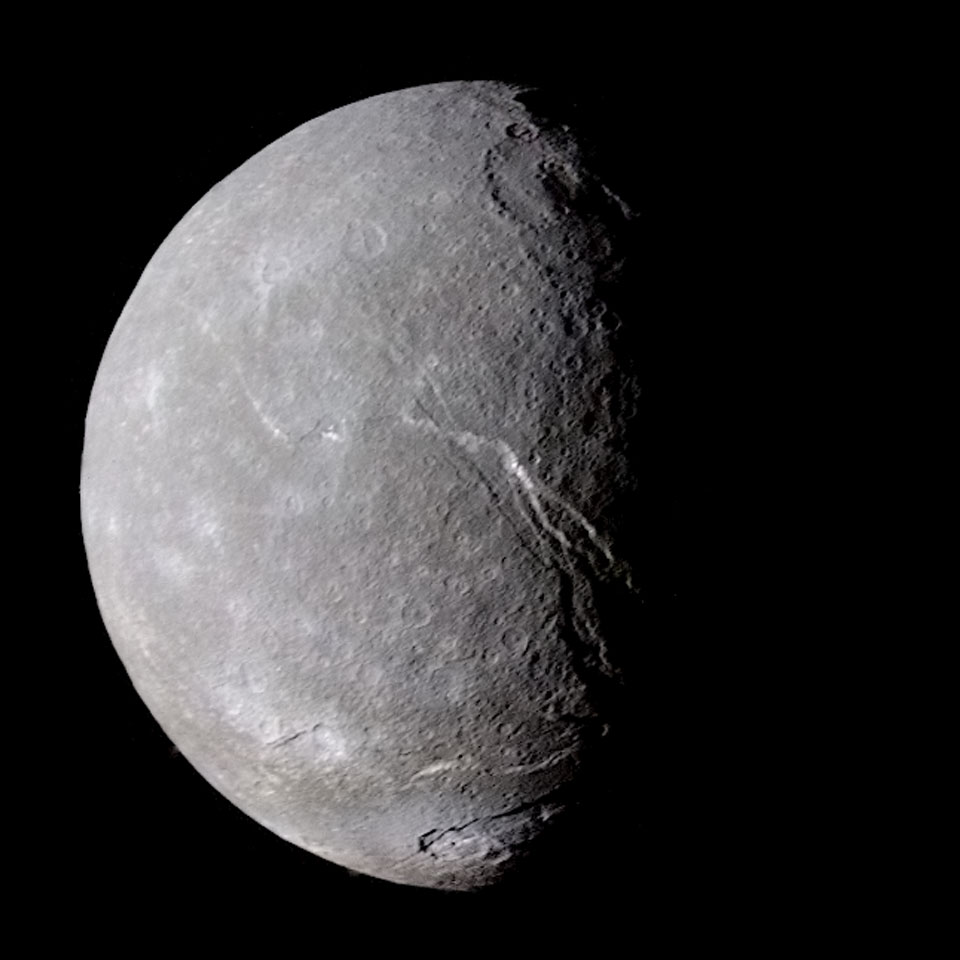
Let’s start with the geology that makes Titania feel like the planet’s quiet, moody cousin. The surface is a collage of trenches and fissures that hint at a turbulent past. Some of these grooves resemble features on Ariel, another moon of Uranus. The resemblance isn’t just aesthetic: it’s a fossil record whispering that Titania might have endured a violent surface event long ago, possibly linked to water freezing and expanding. Think of a planetary sigh—the ice expanding, cracking the crust, and leaving behind a landscape that looks like it was sculpted by a very patient, very enthusiastic sculptor with a sledgehammer and a sense of cosmic drama.
Despite Titania’s imposing title as Uranus’s largest moon, size here is relative. Titania clocks in at roughly half the radius of Triton, Neptune’s largest moon. And Neptune itself isn’t a giant compared to Earth’s Moon. So Titania’s grandeur is more about attitude than scale: a big iceball with a lot of stories tucked into the cracks and folds.
Speaking of dating and discovery, Titania has a classic origin story. William Herschel spotted it back in 1787, joining the club of early astronomers who thought, “There must be more to the sky.” Since then, Titania has been quietly doing its thing in the outer solar system, far from the sun’s warm gaze. It’s a world where half of what you’d weigh is water-ice and half is rock—the recipe for a certain kind of stubborn beauty that doesn’t crumble under cold.
And then there’s the science-y rumor mill that keeps enthusiasts’s eyes wide: recent speculation that radioactive heating could melt underground ice into oceans. If true, Titania might have pockets of liquid water lurking beneath its surface—a hidden calm beneath the jagged exterior. It’s the kind of mystery that makes you half expect to find a sci-fi plot twist lurking behind the next ridge.
In the grand catalog of solar-system oddities, Titania doesn’t pretend to be the loudest. It doesn’t boast volcanic plumes or a bustling atmosphere. Instead, it offers a lucid reminder: in the cold outskirts, geology can still put on a dramatic show, and water—ice’s more versatile cousin—can shape the world in ways we’re only beginning to understand.
So here’s to Titania: a large, unassuming iceball with a scarred, story-filled surface. May its trenches remind us that the cosmos loves a good parallel, a hint of violent past, and a quiet, enduring beauty that only reveals itself to those who look closely. If you ever find yourself orbiting Uranus in a story, Titania is the kind of moon that begs to be read between the lines—crack by crack, crater by crater, until you’ve learned to hear the planet’s patient, icy heartbeat.
Image via NASA https://ift.tt/R3FG1qW