Ways4eu WordPress.com Blog
SPA View of ways4eu.wordpress.com
🌙 The Moon’s Visible Mood: A Jest from the Orion
By Kinda Cool
on Mon Apr 06 2026
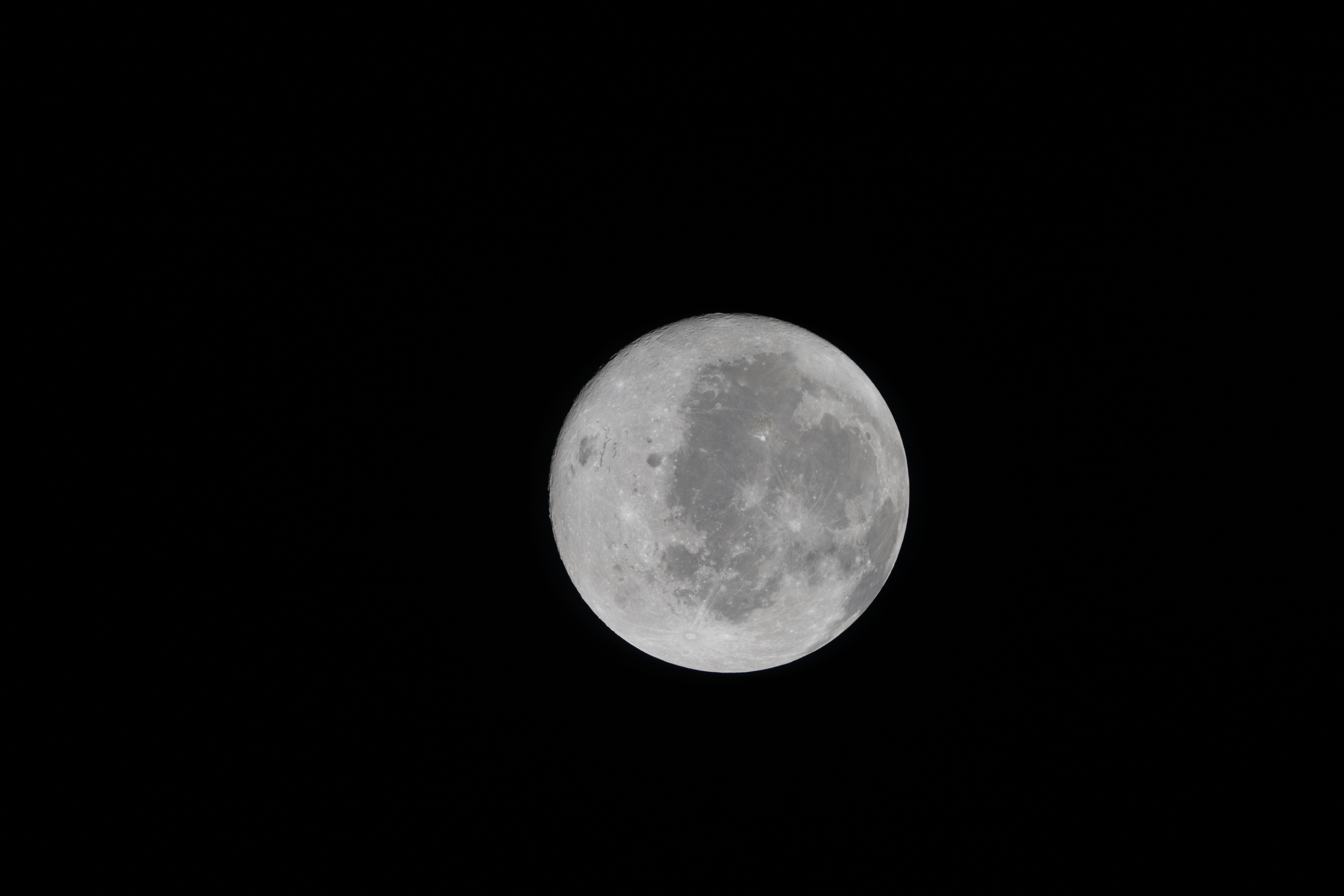
The Familiar Face in the Sky
If you’ve ever tried to tell a friend about your day and received the universal “I’m listening” nod, you’ll understand how the near side of the Moon feels every night. The part we always see from Earth—the same face that keeps a sleepy eyelid haloing the sky—has a vibe all its own when you’re cruising above it in the Orion spacecraft.
Celestial Billboard
From this vantage, the near side isn’t just a gray marble with craters; it’s a celestial billboard, blinking with ancient stories told in basalt and glow. The maria—those vast, dark basalt plains—look like a cosmic patchwork quilt that forgot to be symmetrical. One moment you’re admiring Serenitatis‘s smooth swagger, the next you’re reminded that the Moon sometimes wears a few rough patches.
The Dramatic Lighting Technician
The terminator, that poetic line that divides day from night, is doing its best impression of a dramatic lighting technician. On the near side, it waltzes along the lunar surface, casting long, dramatic shadows across craters and rilles. It’s as if the Moon is moonlighting as a photographer: “Let me tweak the lighting; I’ll put a crater here for depth, a ridge there for edge.”
A Mosaic of Chalky Highlands
If you squint just so, you’ll notice the Moon’s face isn’t uniformly gray. It’s a mosaic of chalky highlands and bas-relief seas that look suspiciously like a map a curious kid doodled during a long science class. There are regions that look like grand canyons carved by centuries of lunar connoisseurship—the big ones that make you whisper, “That’s not a crater; that’s a coastline of old moonlight.”
Earth as a Blue-Green Lighthouse
From Orion‘s window, the Earth glows below like a steady, blue-green planet-shaped lighthouse, a reminder of home while you’re orbiting a rock that has likely forgotten how to hold a tune but never forgets how to hold a gaze. Earth’s presence adds a wink to the Moon’s solemn face—the kind of wink that says, “Hey, we share a sky, and yes, I’m aware of your craters, and yes, I still think you’re cool.”
Stories in Lines and Rims
The Moon’s near side speaks a language of lines and rims that tell subplots of ancient volcanic activity, slow-burn cooling, and a history of collisions that would make a thriller author’s notebook gleam with mischief. When you’re not busy cataloging craters, you imagine the Moon as a celestial theater: craters as stage props, mare as backdrops, and highlands as enthusiastic extras.
A Group Project Called Exploration
In the Orion‘s cabin, the hum of life-support and the distant chatter of mission control create a chorus that seems ordained to remind us that exploration is a group project. The near side of the Moon—our familiar friend—offers a steady, almost comic, reassurance: you can look up, contemplate, and still carry on with the business of being awe-struck.
Front-Row Seats to the Show
So here’s a toast to the Moon’s near side—the familiar face that greets us across the void, with its quiet craters and stubborn plains. It’s both a map and a memory, a textbook page and a bedtime story rolled into one, always there, always watching, always a little cheeky from its perch in the sky. And as Orion glides through the quiet above, you can’t help but smile at the thought: the Moon still owns the show, but we’ve got the front-row seats for now.
Image via NASA