Ways4eu WordPress.com Blog
SPA View of ways4eu.wordpress.com
🌙 At the Edge of Light: The Moon’s Dramatic Cameo Along the Terminator
By Kinda Cool
on Thu Apr 16 2026
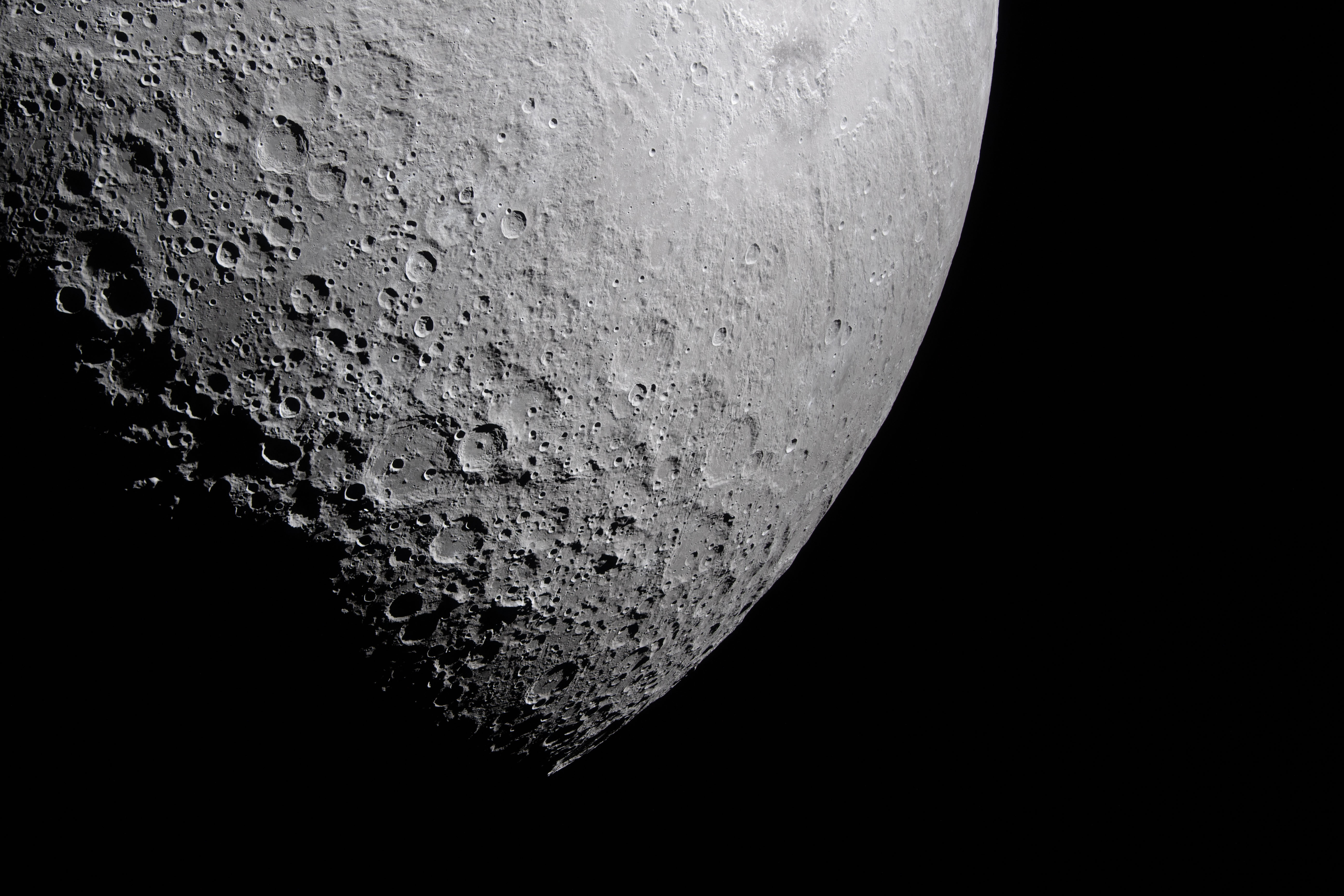
🌙 Sleepy Roommates at the Edge of Light
There’s a strip on the Moon where day and night bump into each other like sleepy roommates arguing over who left the flashlight on. The terminator—the boundary between lunar day and night—is that dramatic line, and right along it a portion of the Moon’s far side is seen where low-angle sunlight casts long shadows across the surface. It’s basically cosmic stage lighting showing off for a few hours while the Moon tries not to spill its coffee.
🎭 The Moon Wears Moonshine
If you’ve ever wondered what the Moon looks like when gravity brings out its inner model, this is the moment. The sunlight comes in at a slant, not straight on like in a mugshot, so the craters lean and squint under a long-limbed shadow. It’s as if the Moon is wearing moonshine on its face and says, “Yes, I’m dramatic, no you may not blink.” The long shadows carve the surface into a mosaic of deep pockets and sharp ridges, giving every rock a personality—some are grumpy craters, others are stealthy ridges that look like they’ve rehearsed for a lunar tango.
🫣 A Cosmic Cameo of the Far Side
From Earth, we never get the full tour of the far side. We get glances, quick cameos, and occasional rumor that somewhere out there the Moon is plotting a quiet, silent punchline at our expense. But along the terminator, we catch a fleeting glimpse of the far side in a kind of cosmic cameo. The lighting is doing its best impression of a photographer with an eye for drama: low, oblique, full of purpose, and absolutely determined to cast the longest shadow possible. It’s not just light; it’s a mood.
🌅 Maria, Highlands, and Standing Tall
In this twilight theater, rocks and craters become the Moon’s list of to-dos for the day—only now they’re all due yesterday. The maria soften into dim bas-relief, while highland rims look like they’ve decided to pose, arms akimbo, for a portrait that says, “We’ve stood here for billions of years, and yes, we still look good.” The terminator is a slow-motion line, a boundary that keeps moving as the Moon turns its own pages.
😂 A Tiny Lunar Comedian
There’s a gentle humor in watching the edge of light do its work. You can imagine a tiny lunar comedian stepping into spotlight, squinting, and delivering a well-timed zinger about craters and crater-sized responsibilities: “Meet my shadow—that’s me, dark and mysterious, always following you around like a dependable but moody friend.” The shadows grow long enough to hide a galaxy or two, but then retreat as the Sun climbs, like a stand-up routine with a new punchline every 20 or so Earth hours.
✨ The Delicious Borderland
If you lean in, you might notice something almost magical: along the terminator, the Moon reveals just enough of the far side to spark curiosity without giving away the whole plot. It’s a liminal space—neither here nor there, a delicious borderland where geology, light, and time mingle with a wink. The edge of light is less an hour on a clock and more a mood swing in a cosmic living room.
🎩 Tip Your Hat to the Staging Crew
So here’s to the edge of light: a brief, brilliant cameo of the Moon’s far side that reminds us how striking a simple slant can be. It invites us to pause, tilt our own perspectives, and enjoy the long shadows of creation. The next time you glance up at the Moon and catch that slender glow along the terminator, tip your hat to the staging crew—the Sun, the shadows, and a whole landscape that proves the universe does not do boring seasons. It does dramatic lighting, and it does it with flair.
Image via NASA
© H.J. Sablotny — All rights reserved. The text content of this post is the intellectual property of H.J. Sablotny. Images are subject to their respective copyright holders and are used for illustration purposes only.