Ways4eu WordPress.com Blog
SPA View of ways4eu.wordpress.com
⭐ NASA’s Chandra Finds Young Stars Dim Quickly: The Teenage Glow Fades Faster
By Kinda Cool
on Thu Apr 23 2026
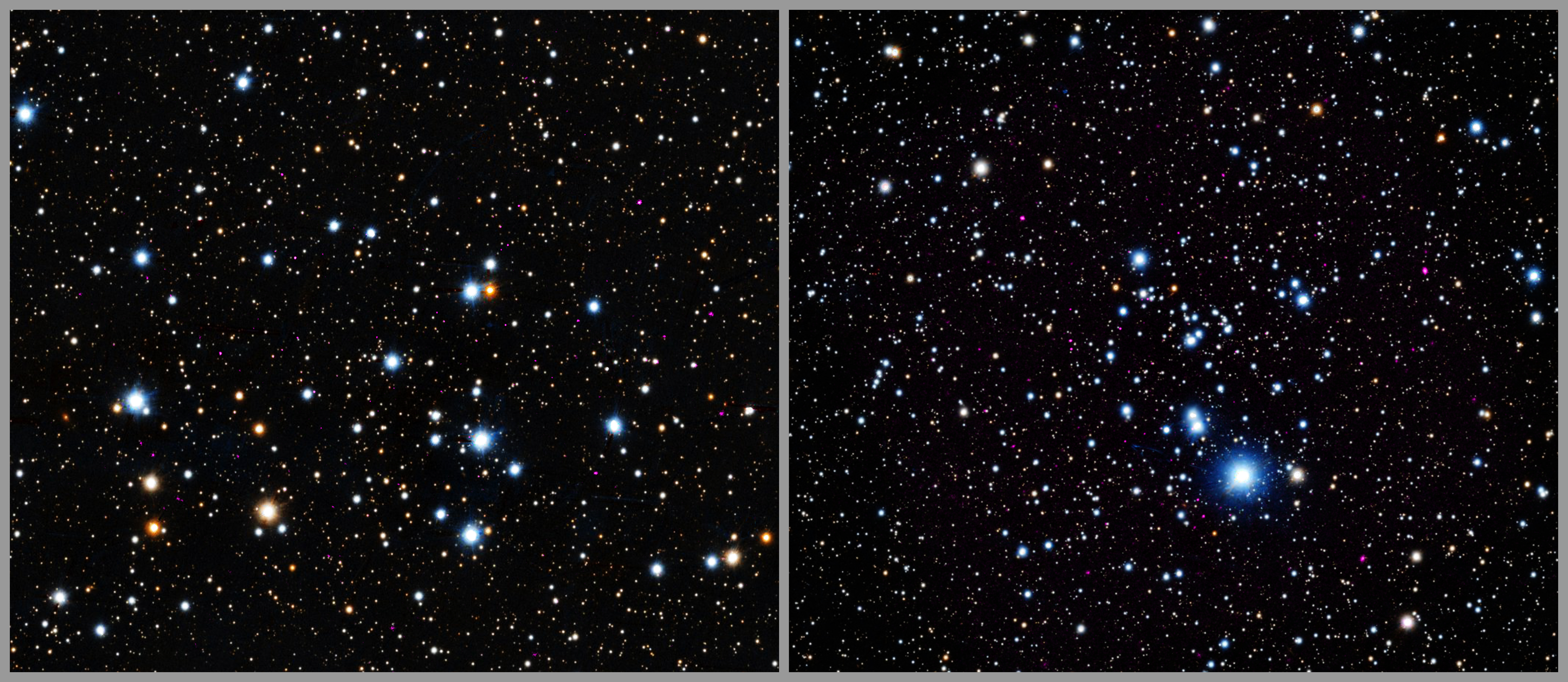
⭐ Cosmic Adolescents Cooling Off
If you’ve ever watched a teenager go through a growth spurt and wondered when the glow (and the drama) would settle down, you’re not far off. Scientists using NASA’s Chandra X-ray Observatory have found that young stellar cousins of our Sun calm down and dim their X-ray output faster than researchers previously thought. In other words, the cosmic adolescents are cooling off their fiery X-ray vibes sooner than we expected.
🔬 What Chandra Saw
What Chandra saw, in plain language
Young stars start life with a built-in fireside, a corona of superheated plasma that glows in X-ray light. That glow is tied to how fast the star spins and how vigorously its magnetic fields flutter and flare. As these stars age a bit, they slow down, settle into steadier magnetic weather, and—poof—the X-ray brightness fades. The new findings suggest this dimming happens more quickly than older models predicted, meaning the sun’s younger kin cool off their X-ray heat sooner in their early years.
🌍 Why This Matters
Why this matters (besides giving us something to nerd out about)
– It helps astronomers polish the timelines of star evolution. If disk and planet formation ride coattails with stellar magnetism, the pace at which a star dims in X-rays could influence when a developing planet is bathed in high-energy radiation.
– It sheds light on the early environments of planetary systems. Strong X-ray irradiation can sculpt planetary atmospheres, photo-evaporating gases and affecting chemistry. Knowing that the exposure drops off sooner changes how we think about which young planets might keep atmospheres and which might not.
– It improves the realism of computer models. The universe loves to keep us guessing, but sharper constraints on X-ray fading give theorists a firmer baseline to compare against observations from Chandra and other telescopes.
😉 The Stars Themselves, with a Wink
The stars themselves, with a wink
Think of these young stars as cosmic teenagers: bright, energetic, and prone to occasional flares, but their behavior settles into a calmer routine faster than we used to assume. Chandra’s keen X-ray vision lets us peek through dust and gas to measure how their high-energy glow evolves over time. The takeaway: the “starter glow” phase in X-rays isn’t as long-lived as some models predicted, so planetary systems may find a quieter X-ray neighborhood a bit sooner than we thought.
🔭 A Quick Note About the Tool
A quick note about the tool
NASA’s Chandra X-ray Observatory has been a workhorse since its launch, surveying the X-ray sky with remarkable sharpness and sensitivity. By tracking X-ray light from dozens of young star systems, Chandra helps astronomers assemble a clearer picture of how stellar activity fades as stars age.
🚀 What’s Next?
What’s next?
Researchers will likely expand the survey to more star-forming regions and refine the timing of the dimming with additional data. There’s also room to tie these X-ray trends to other wavelengths—infrared and optical—to build a more complete story of how young stars evolve and how their environments shape nascent planets.
💡 The Teenage Glow Fades Faster
Bottom line
The cosmos doesn’t wait for us to catch up, and those young stars aren’t sticking around in their high-energy glow forever. Thanks to Chandra, we now know their “teenage glow” fades faster than we used to think, which helps paint a more accurate portrait of how solar systems like our own come to be. If you’re chasing the origin stories of planets and atmospheres, this is the kind of twist that makes the universe feel a little more relatable—and a lot more interesting.
Image via NASA https://ift.tt/P52pB98
© H.J. Sablotny — All rights reserved. The text content of this post is the intellectual property of H.J. Sablotny. Images are subject to their respective copyright holders and are used for illustration purposes only.