Ways4eu WordPress.com Blog
SPA View of ways4eu.wordpress.com
Psyche Spacecraft Completes Mars Flyby: A Witty Waddle Past the Red Planet
By JohnTheWordWhirlwind
on Fri May 22 2026
🚀 Mission Update: Psyche and Mars
🛰️ Flyby Geometry and Timing
NASA’s Psyche spacecraft completed its close approach of Mars on May 15, blasting past the neighborhood at a comfy 2,864 miles (4,609 kilometers) with all the grace of a spacefaring gazelle. If Mars had a coast, Psyche just skimmed it, snapping images and maybe stealing a quick selfie with the planet’s dust for good measure. In other words: Mars, we see you, but Psyche still has places to be.
📸 Science Imaging Opportunity
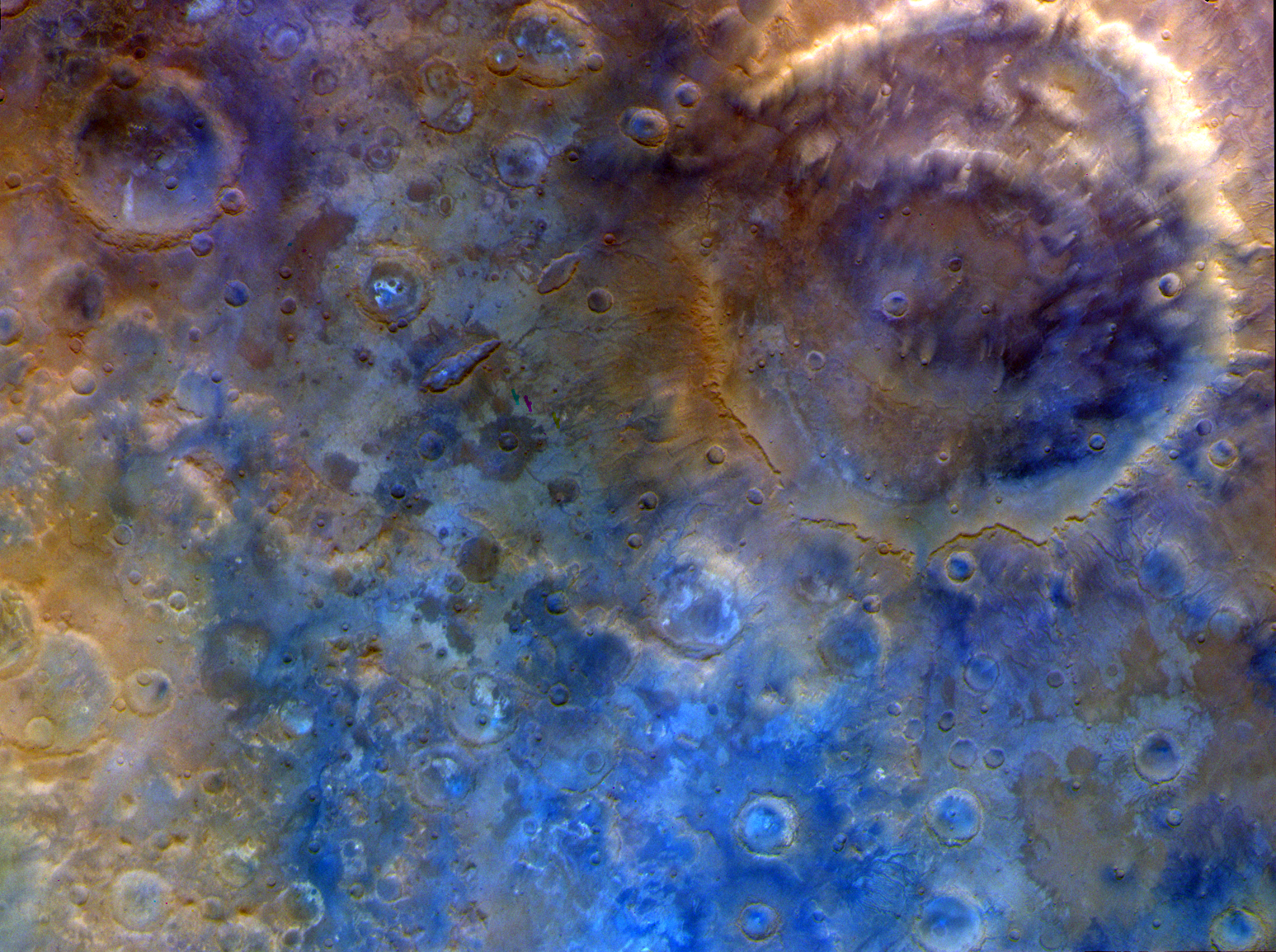
The star of today’s show is a dazzling enhanced-color view of a crater that looks a little like a cosmic fingerprint: the large double-ring crater Huygens. Surrounding this feature is the heavily cratered southern highlands, a patchwork quilt of impact history that could give Earth’s own craters a run for their money. Psyche’s cameras did their thing, capturing hues and details that wink at scientists and make armchair astronomers (like me) say, “Now that is some space-art.”
🧭 Navigation and Gravity Assist
Why the trip matters, in plain space-speak: Psyche is not here just for a photo op; it’s on a mission to study the metal-rich asteroid 16 Psyche, which is believed to be a remnant core of a protoplanet. Think of it as nature’s own geological treasure chest, just orbiting the sun and occasionally letting us peek inside with fancy cameras and equally fancy mission playlists. The Mars flyby is a tasty side dish—brief, scenic, and scientifically productive—like a pit stop on an interplanetary road trip.
🪐 Why Mars Flybys Matter
Details that make this moment feel real (and mildly cinematic):
– Distance slid by: 2,864 miles (4,609 kilometers) from the surface. That’s closer than some people’s orbit around their to-do list.
– The view: enhanced-color imaging that reveals the large double-ring crater Huygens. The rings aren’t Saturnian, but the structure is dramatic enough to deserve a red carpet, or at least a very proud postcard.
– Surroundings: the southern highlands, a heavily cratered region that looks like a cosmic crime scene photo album, with impact stories etched into every ridge and valley.
🔬 Instrument and Data Value
If you’re wondering about the tone of the mission team, imagine a group of scientists who’ve spent years in windowsless rooms, now sipping coffee and exclaiming, “Whoa, the colors are almost too pretty to be real.” The enhanced-color processing isn’t just cosmetic flair; it helps scientists tease out mineral compositions, ages, and surface processes. It’s like upgrading from standard-definition to 4K with a dash of astrophysical CGI, minus the dragons.
📈 Mission Roadmap Ahead
And yes, there’s a healthy dose of awe here. Mars, that neighbor you’ve waved at across the solar system, still surprises us. It’s a planet that wears a complex history on its surface—craters, canyons, dusty plains—and Psyche’s flyby adds another data point to our ever-growing atlas of curiosity. The imagery from this encounter will feed into NASA’s larger science goals: mapping planetary surfaces, understanding impact histories, and building a richer narrative about how terrestrial planets evolve.
🌌 Broader Deep-Space Context
For readers who appreciate the lighter side of science: Mars did not ask for an autograph, but Psyche delivered one anyway. The mission team didn’t just take pictures; they conducted a disciplined orbital pas de deux, maneuvering with the precision of a space-ballet and the humor of a late-night sitcom writer sneaking in a clever aside about cosmic dust.
✅ Final Takeaway
What’s next? Psyche continues its journey toward its main science target, leaving Mars to catch its breath and brushing off any meteorite confetti from the flyby. The data from this close approach will flow into analysis pipelines, fueling papers, press releases, and perhaps a few memes about space nerds swooning over geology in the best possible way.
📰 Source Notes
Bottom line: The Mars flyby was a brief but brilliant interlude in Psyche’s grand adventure. It offered a snapshot of a red world that looks rugged, ancient, and endlessly fascinating, all while reminding us that there are still surprises waiting in the solar system’s backyards. Stay tuned for more enhanced-color glory, more highlands to dissect, and more cosmic moments that make you say, “Yep, that’s science—with a side of wonder.”
📌 Section 11
Image via NASA https://ift.tt/N19ubAv
🔗 Psyche mission timeline | Mars gravity-assist missions | Deep-space navigation methods
© 2026 ways4eu.wordpress.com H.J.Sablotny — All rights reserved. The text content of this post is the intellectual property of H.J.Sablotny. Images are subject to their respective copyright holders and are used for illustration purposes only.