Ways4eu WordPress.com Blog
SPA View of ways4eu.wordpress.com
The Types Riot: When History Got a Little Lewd with Its Letters
By iftttauthorways4eu
on Tue Jun 30 2026
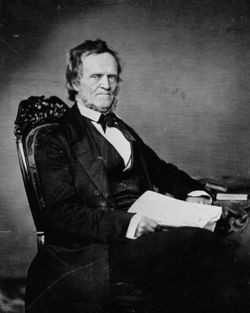
Quick Links:Wikipedia article | William Lyon Mackenzie | Family Compact | Upper Canada politics | Press freedom in colonial Canada
Ink, Ambition, and a Political Tantrum
Picture this: a bustling early-19th-century York (now Toronto), the clutter of printing presses, the scent of ink, and a newsroom that probably smelled vaguely of ambition and hot brass. Into this scene stomps the Types Riot, a dramatic, almost theatrical beat-down of a printer’s peace by a squad of up to fifteen “gentlemen” in serious need of civic reform, and perhaps a better hobby.
Mackenzie Versus the Family Compact
Meet William Lyon Mackenzie, editor, agitator, and the man who believed the best way to fix a government was to call it on the carpet with a typewriter (okay, a press, but cozy with the metaphor). He published the Colonial Advocate, a newspaper that treated the Family Compact, the ruling elite of Upper Canada, with all the courtesy of a persistent wasp and all the patience of a cat with a laser pointer. In other words: not much.
The Family Compact, who knew how to wrap themselves in tony titles and even nicer excuses, didn’t love these editorials. They accused Mackenzie of incompetence and embezzlement in a way that suggested his grip on journalistic integrity was somehow as slippery as a bar of soap in a government building. On the evening of June 8, 1826, the tension finally pressed beyond the stereotype of polite political discourse and burst into reality: nine to fifteen rioters forced their way into the print shop, his newsroom, and, perhaps most dramatically into the public imagination, destroyed property.
The Riot, the Bystanders, and the Lawsuit
What happened next reads like a melodrama with a very real receipt: Mackenzie’s employees begged passersby to intervene, to teach the rioters the error of their ways, to restore order with the charm of a spontaneous civic intervention. But bystanders looked on, and not because they were witnessing a riveting episode of “Public Service in Action.” No, these bystanders recognized government officials were watching the spectacle, and that quiet, paternal presence seemed to say, “Let them have their moment.” A strange and sour ballet of complicity and indifference played out in the streets, while the newsroom endured the hammer of the destruction and the broadcast of its disgrace.
Then came the legal aftermath, which reads now like a moral fable with a surprising sting: Mackenzie sued the rioters, and the jury awarded him 625 pounds to be paid by the defendants. A harsh settlement, given the circumstances. It’s the sort of figure that makes you wince and then think, “What did the average worker do in those days for a decent headline?” The law, in its best moments, is supposed to be an upholder of justice; in this case, it felt more like a personal vendetta with a ledger.
Why the Riot Still Matters
The press did not stay quiet. Newspapers denounced the government officials who had failed to stop the riot. Reform-minded readers saw in the attack on Mackenzie a martyrdom of sorts: a symbol that the old guard’s hold on power was loosening, thread by stubborn thread. And so, Mackenzie’s star rose again, popular for years, not merely for the news he produced but for what he represented: a challenge to entrenched privilege and a belief that print could ignite political reform.
Historians today point to the Types Riot as a sign of a shifting political balance in Upper Canada. The Tory influence, so reliable in its pomp and circumstance, showed signs of fragility under the weight of public opinion, the press, and the stubborn courage of a man who believed that words on a page could rattle the very foundations of a capital.
If you’re hoping for a tidy moral, you won’t find a neat bow here. Instead, you’ll find a story about consequence and spectacle, how a printing press became the stage for a clash between power and the press, between silence and speech, between the quiet dignity of law and the loud, messy business of democracy in motion.
And in the end, the Types Riot remains a deliciously chaotic footnote in Canadian political history: a reminder that the power to publish is, at its core, a power to challenge, to provoke, and occasionally to smoke out a government that would rather be left alone with its calendars and its courtesies. A riot, yes, but also a remarkably human moment when a city and a press argued about who gets to tell the first draft of public life.
So next time you hear about press freedom, imagine the ink-soaked clamor of June 8, 1826, and the stubborn belief that a newspaper’s voice could rattle the very walls of power, and, in a strange twist of fortune, help usher in a shift away from the old guard. Now that’s history with a punchline you won’t soon forget.
Wikipedia article of the day is Types Riot. Check it out.
Copyright Notice: The image and referenced content remain the property of their respective creators and rights holders. They are used here solely for commentary, discussion, and informational purposes. Please visit the original source links for attribution and additional information.
© 2026 ways4eu.wordpress.com – H.J. Sablotny. All rights reserved. The text content of this article is the intellectual property of H.J. Sablotny and may not be reproduced, distributed, or republished without permission. Images remain the property of their respective copyright holders and are used for illustrative and commentary purposes only.