Ways4eu WordPress.com Blog
SPA View of ways4eu.wordpress.com
Hanging in the Balance: The Moon’s Light-Dark Tightrope
By JohnTheWordWhirlwind
on Tue Jul 14 2026
Quick Links:NASA source | lunar terminator | Moon geology | lunar craters | sunrise on the Moon
Hanging in the Balance: The Moon’s Light-Dark Tightrope
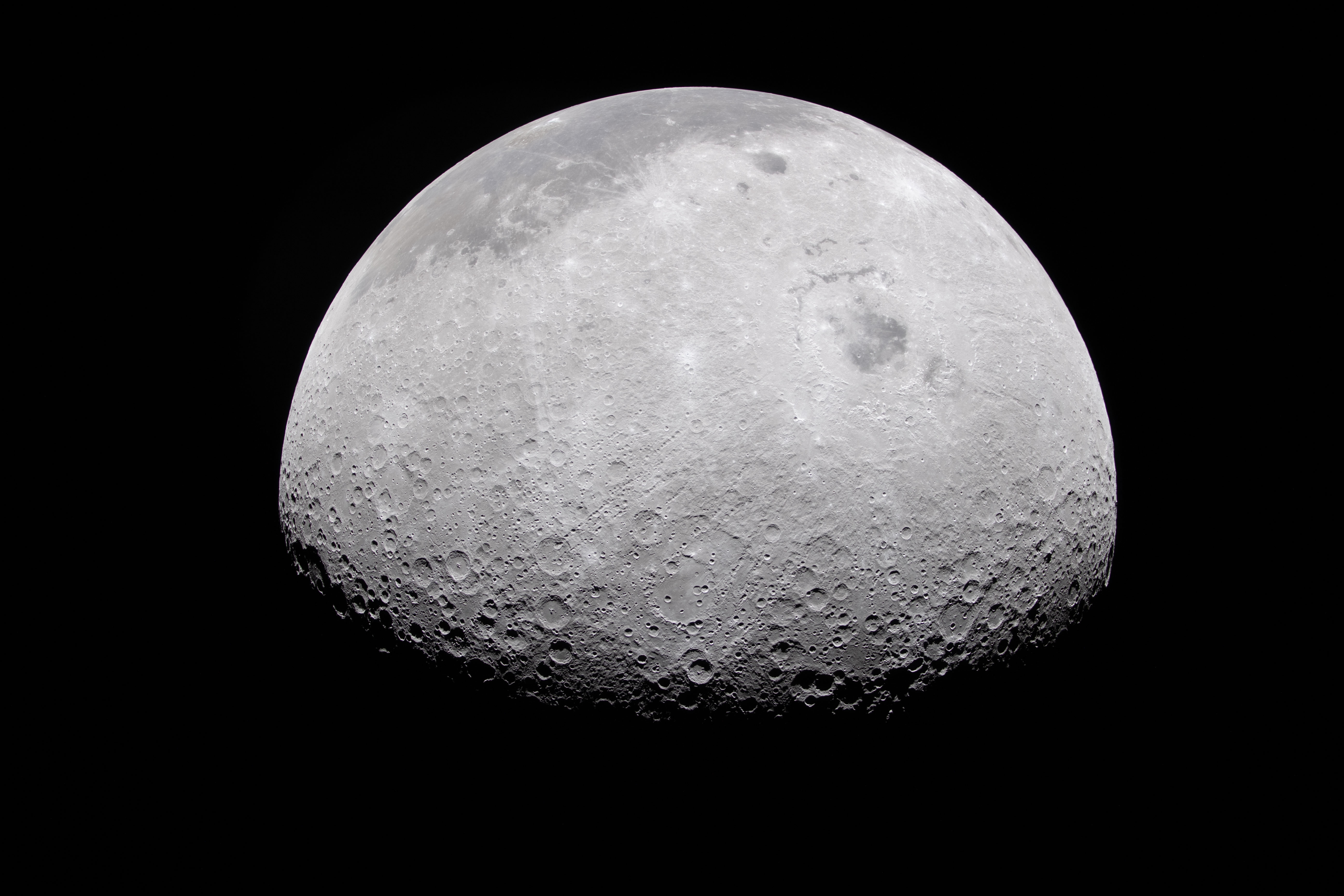
When you think of the Moon, you probably picture a sleepy, cratered remnant of space’s great Pinterest board. But the Moon is not lazy; it’s a professional tightrope walker, sashaying above the Earth in a perpetual game of “Are you a shadow or a shade?” The star of this show? The terminator—the line that marks where light and darkness are high-fiving each other like old friends who finally learned to share a sandwich.
The thing about the Moon’s surface is that it’s not a polite, uniform mooncookie. It’s rocky, jagged, and unapologetically uneven, with craters that look like they were carved by a bored cosmic sculptor. And when the Sun rises or sets, those craters, ridges, and boulders get a dramatic makeover. The terminator doesn’t merely separate day from night; it stages a dramatic shadow play across the lunar landscape, turning every hill into a looming silhouette and every crater into a stage curtain waiting to rise.
Picture it: as the Sun rises, the terminator slides across the Moon’s face like a zipper being slowly pulled up. The light hits the pockmarked terrain, and suddenly a simple crater becomes a moonscape with character. Shadows leap into life, elongated and winkingly mischievous, turning once-ordinary features into dramatic set pieces. It’s as if the Moon is hosting a perpetual sunrise/sunset fashion show, with craters modeling for the cosmos and the terminator acting as the dramatic spotlight operator.
The Moon’s geology is the star of the show, and the terminator is the director whispering, “Let there be texture.” That line of half-light exaggerates every bump, groove, and cliff, revealing details you wouldn’t notice under a flat noon sun. A small ridge becomes a formidable cliff of destiny; a shallow depression becomes a grand amphitheater for shadows to perform their slow, elegant ballet. The interplay of light and shadow makes nothing on the Moon look flat or boring—everything looks like it’s auditioning for a sci‑fi epic.
And yet, the Moon isn’t just a passive stagehand. It’s a stubborn sunbeam magnet, a celestial magnet for drama. The terminator’s presence means day and night aren’t just a simple flip of a switch; they’re a full sensory experience. The surface temperature swings from “gently toasty” to “we could toast bread on a satellite’s waistline,” and the shadows are not shy about their job. They elongate, shrink, and rearrange themselves with a confidence that would make a professional chess player blush.
From a distance, you might think the Moon is a bland orb. Up close, it’s a rock opera. The terminator conducts a slow, stylish transition, as if every ridge is a bass line and every crater a drum solo. The boundary’s motion is a reminder that the universe loves drama and texture as much as it loves gravity. The Moon’s face wears new moods with each passing hour, and we humans on Earth get front-row seats to a planetary performance that lasts for days, weeks, and yes, occasionally makes us squint in wonder.
Hanging in the balance between light and dark, the Moon teaches us a tiny but powerful lesson: things look better with some contrast. The terminator isn’t just a line; it’s a cosmic stagehand, a separator of brunch sunlight from moonlight, a reminder that in the grand theater of space, balance is the real star. And if you ever doubt that, just zoom in on a region where the sun is half awake and half snoozing, where the shadows cling to the rocks with the devotion of a cat to a sunbeam. There, you’ll see the Moon in its most candid, dramatic, and hilariously uneven glory.
So next time you gaze up at the night sky and spot that slender crescent or that dramatic, knife-edged terminator cutting across the lunar surface, give a little nod to the Moon’s rocky personality. It’s not just a celestial body; it’s a fine-tuned balance beam routine, a light-and-dark tango, and a reminder that even in the heavens, texture sells tickets. Hanging in the balance, the Moon winks back, and the universe pretends it’s not impressed by such a stylish display. But we all know better.
SourceLink via NASA
Copyright Notice: The image and referenced NASA source material remain the property of their respective creators and rights holders. They are used here solely for commentary, discussion, and informational purposes. Please visit the original source links for attribution and additional information.
© 2026 ways4eu.wordpress.com – Herbert Johann Sablotny. All rights reserved. The text content of this article is the intellectual property of Herbert Johann Sablotny. Images remain subject to their respective copyright holders and are used here for commentary, discussion, and informational purposes only.