Ways4eu WordPress.com Blog
SPA View of ways4eu.wordpress.com
Lighthouse Nebula Gets a Magnetic Makeover: NASA’s IXPE Cracks the Pulsar Code
By JohnTheWordWhirlwind
on Sun Jul 19 2026
Quick Links:NASA image | IXPE | Chandra | Lighthouse Nebula | pulsars
Lighthouse Nebula Gets a Magnetic Makeover: NASA’s IXPE Cracks the Pulsar Code
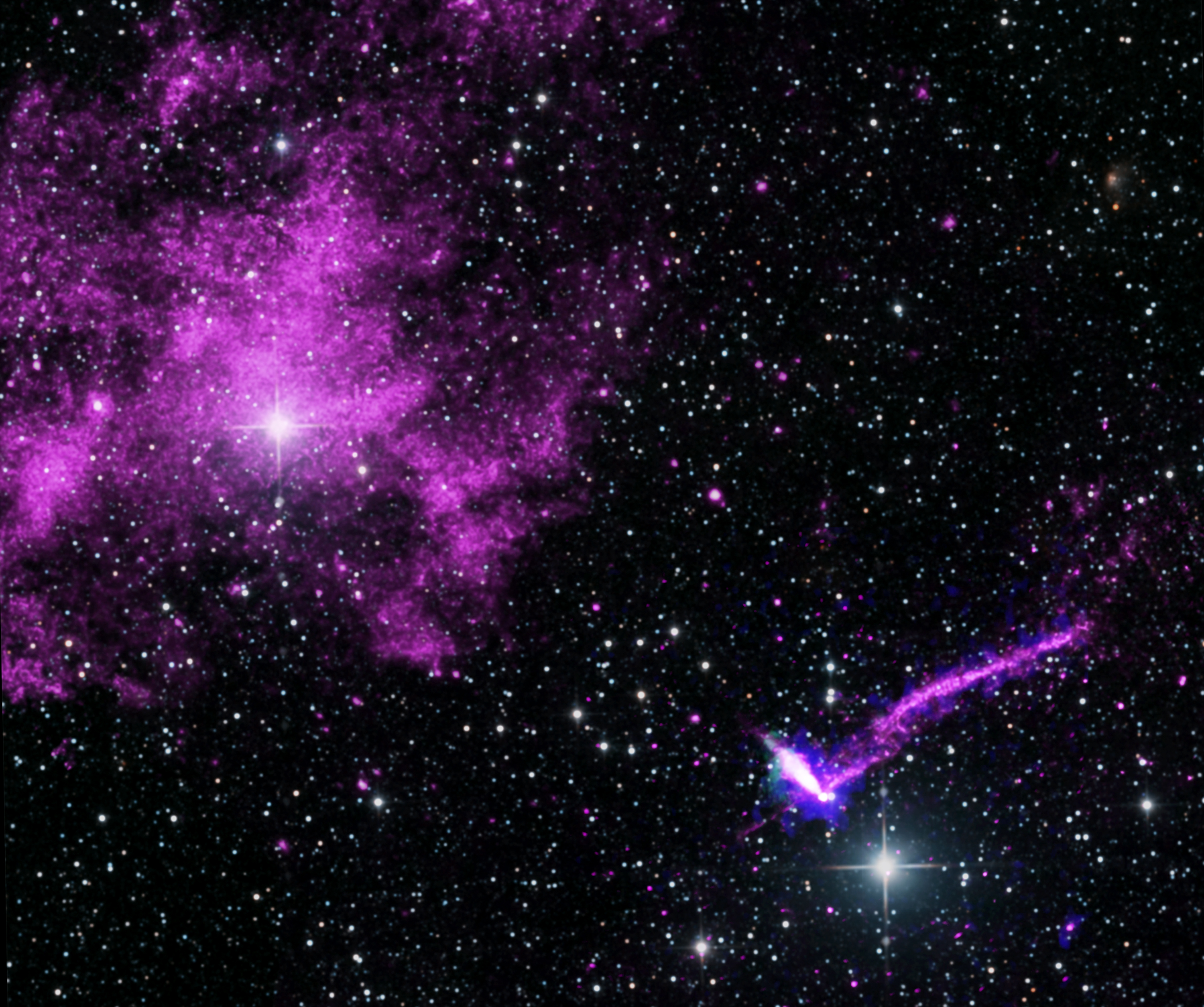
Scientists using NASA’s IXPE (Imaging X-ray Polarimetry Explorer) directly measured the magnetic fields of PSR J1101−6101, a pulsar located within what is often referred to as the “Lighthouse” Nebula, for the first time.
What we have here is a cosmic flashlight with attitude. The Lighthouse Nebula, a shimmering ribbon of superheated gas and stellar heartbreak, hosts PSR J1101−6101, a pulsar that has spent millions of years spinning like a bored disco ball. It’s the sort of object that makes you grateful for modern math and even more grateful for space telescopes that know how to hold a grudge against the universe’s magnetic mischief.
Enter IXPE, NASA’s Imaging X-ray Polarimetry Explorer, stage left. IXPE doesn’t just snap pictures of X-ray light; it grabs its attitude, measuring the polarization of those X-rays to tease out the magnetic field structure that choreographs the pulsar’s every wobbly wink. Think of polarization as the light’s own personality trait: a hint of swagger that tells you which way the magnetic field wants to point, even when the cosmos is doing its best to pretend it’s random.
For the first time, scientists have used IXPE to directly measure the magnetic fields around PSR J1101−6101. This is not just a “cool NASA result” moment; it’s a fundamental peek into how pulsars steer their surroundings with magnetic force fields that can bend winds, shape plumes, and keep their own pace against the ticking clock of rotation. The lighthouse metaphor isn’t just poetic; it’s practical: the pulsar’s wind and magnetic orientation illuminate the nebula in a way that reveals the field geometry from the inside out.
Chandra, NASA’s X-ray workhorse, plays a complementary role in this story. While IXPE tunes in on the polarization and magnetic hints, Chandra provides sharp, crisp X-ray images that show where the action is happening. It’s a bit like pairing a detective’s magnifying glass with a town’s street camera: you get both the texture of the scene and the clues that tell you how the crime (or in this case, the cosmic wind and field) is being staged.
So why does this matter to the rest of us who don’t send coffee breaks to the edge of the solar system? Because understanding pulsars’ magnetic fields helps astronomers test models of how particles accelerate to near-light speeds, how nebulae glow in X-rays, and how magnetic forces sculpt the environments around exotic stellar remnants. It’s a piece of the puzzle about how the universe cooks up some of its most energetic phenomena—and yes, it’s also a reminder that even in the quietest corners of space, there are magnets doing the heavy lifting.
There’s a touch of whimsy in a result like this: a roving lighthouse in space, beaming X-ray light with a magnetic tune that scientists can finally read. The lighthouse doesn’t just guide ships; it guides theories. By directly measuring the magnetic fields, researchers can validate, refine, or overhaul the magnetic models that explain how PSR J1101−6101 beams, winds, and spins its way through the galaxy.
Looking ahead, the combination of IXPE’s polarization measurements and Chandra’s high-resolution imaging sets a powerful precedent for studying other pulsars and their nebulae. If we can map the magnetic fields of one lighthouse, what other cosmic lighthouses are begging for their own magnetic seances? The universe, it seems, has a long list of magnets and a short fuse for ambiguity.
In the end, the Lighthouse Nebula has not only stayed true to its name but has also handed astronomers a clearer map of the magnetic terrain that shapes it. With IXPE and Chandra partnering up, we’re getting closer to understanding how these stellar engines bend light, bend matter, and, yes, bend our sense of how the cosmos maintains its magnetic swagger.
As always, stay curious, and keep an eye on the skies—the lighthouse keepers of the universe are busy, and their magnetic signals are only just starting to flicker into view.
Copyright Notice: The image and referenced source material remain the property of their respective creators and rights holders. They are used here solely for commentary, discussion, and informational purposes. Please visit the original source links for attribution and additional information.
© 2026 ways4eu.wordpress.com – Herbert Johann Sablotny. All rights reserved. The text content of this article is the intellectual property of Herbert Johann Sablotny. Images remain subject to their respective copyright holders and are used here for commentary, discussion, and informational purposes only.