Ways4eu WordPress.com Blog
SPA View of ways4eu.wordpress.com
Tempel 2 Takes a Cosmic Bow: A 5.4-Year Dance, Green Coma, and a Dusty Trail
By JohnTheWordWhirlwind
on Sun Jul 19 2026
Quick Links:NASA APOD source | Comet 10P/Tempel 2 | Capricornus | perihelion | dust trail
Tempel 2 Takes a Cosmic Bow: A 5.4-Year Dance, Green Coma, and a Dusty Trail
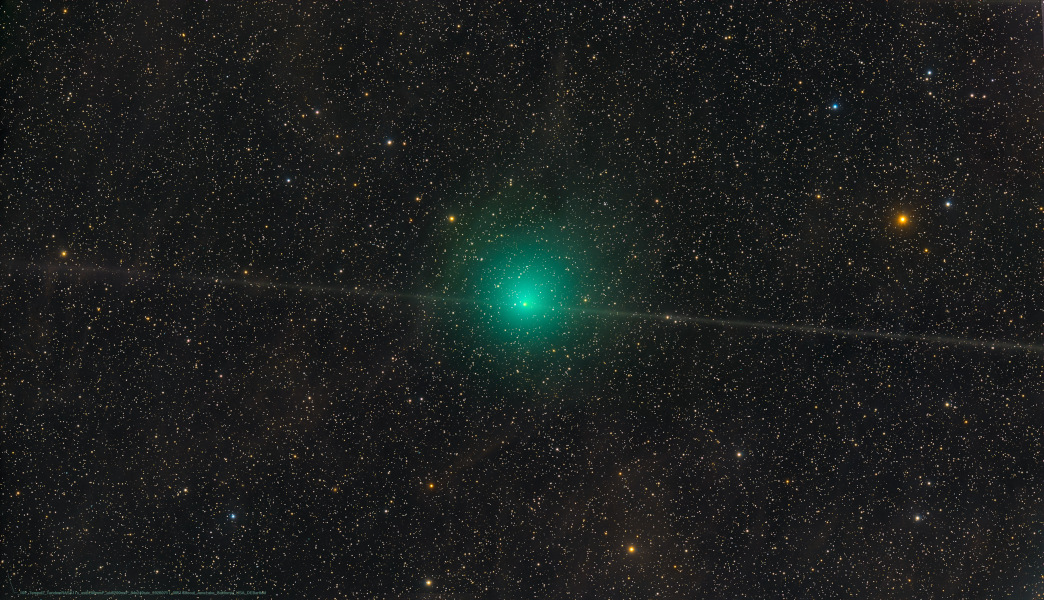
If you’ve got binoculars or a small telescope and a clear sky, you can catch a front-row seat to one of the solar system’s more classic routines: Comet 10P/Tempel 2 gripping the Sun every 5.4 years and waltzing through Capricornus with the ease of a seasoned stage performer. The latest view, captured in a sharp July image, shows Tempel 2 flaunting a bright nuclear region and a surprisingly greenish coma—a hint of the chemistry sizzling in its icy heart.
What makes this comet truly captivating is not just its relatively frequent visits, but the way Tempel 2 wears its history on its sleeve. In the same frame as its glowing nucleus, a thin dust trail stretches gracefully to both the east and west of the nucleus. This is not the signature, sunward-fanned dust tail you might expect from a comet on a sprint away from the Sun. Instead, this is the residual dust shed during countless past orbits, all aligned along Tempel 2’s ancient orbital plane. Think of it as a breadcrumb trail laid down by decades of cometary journeys, more orderly and memory-keeper than a mere tail.
There’s a little celestial drama in the forecast, too. As Earth slips through the comet’s orbital plane on July 20, Tempel 2’s dust trail may appear even narrower and a touch brighter from our point of view. It’s a reminder that, while comets are wanderers, our perspective can tune the show in subtle, almost theatrical ways.
If you’re plotting observations, mark these milestones: Tempel 2 reaches perihelion on August 2, then sweeps by Earth with its closest approach on August 3. The timing is perfect for northern-hemisphere skies to catch a glimpse in modest instrumentation, and for stargazers with a telescope to savor the greenish glow and the delicate dust line that traces the comet’s long, storied path around the Sun.
Why does Tempel 2’s dust trail behave this way? The answer lies in the physics of recycled space snow. The dust trail is a legacy of material shed over many orbits, confined to the comet’s orbital plane. Unlike a sunward-tilted dust tail, which is shaped and displaced by solar radiation pressure in the moment, this trail reflects a long-term accumulation. When Earth intersects that plane, the viewing geometry can sharpen and brighten the trail, offering a softer, more continuous line than a typical tail’s fan.
So set aside a few minutes of starlit contemplation, align your optics toward Capricornus, and enjoy Tempel 2’s choreographed return. It’s a reminder that every comet is a storyteller—sometimes speaking in bright kernels of gas, sometimes in a whisper of dust that stretches across the heavens like a page from an ancient celestial diary.
Copyright Notice: The image and referenced source material remain the property of their respective creators and rights holders. They are used here solely for commentary, discussion, and informational purposes. Please visit the original source links for attribution and additional information.
© 2026 ways4eu.wordpress.com – Herbert Johann Sablotny. All rights reserved. The text content of this article is the intellectual property of Herbert Johann Sablotny. Images remain subject to their respective copyright holders and are used here for commentary, discussion, and informational purposes only.