Ways4eu WordPress.com Blog
SPA View of ways4eu.wordpress.com
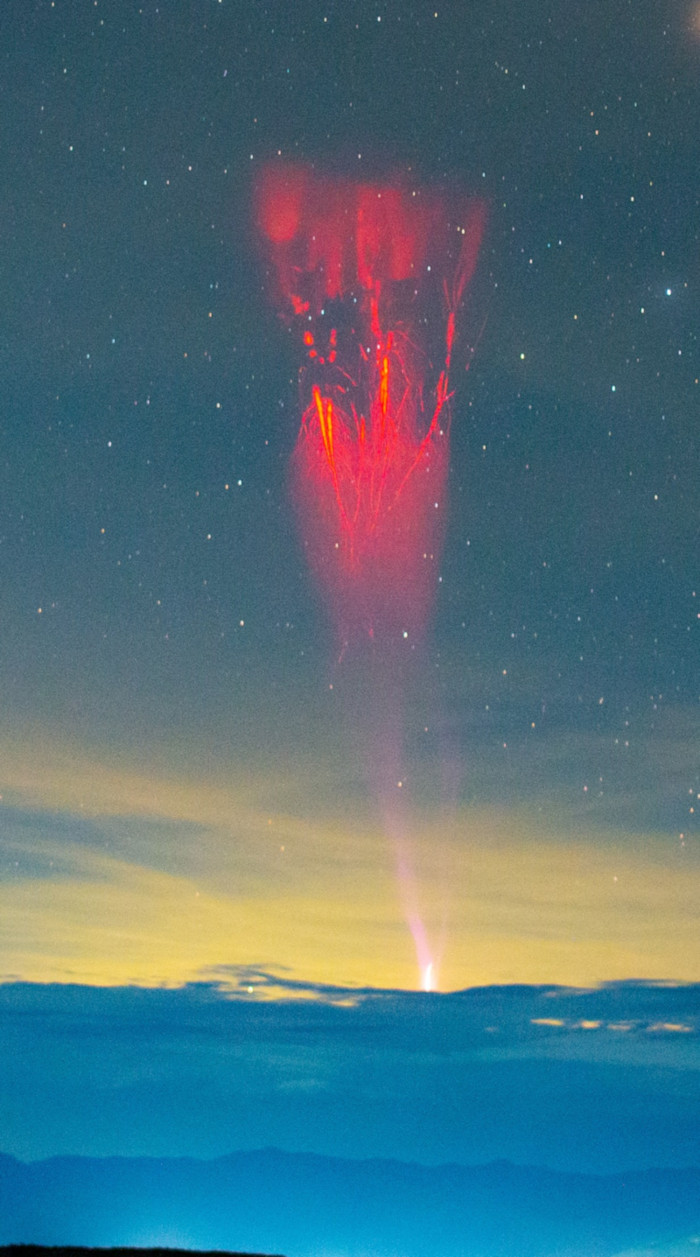
Is There an Angry Sith Using Force Lightning in the Tatacoa Desert? This Is Not Science Fiction, But a Red Sprite With Multiple Streamers
By Kinda Cool
on Thu Aug 06 2026
Quick Links
- Not a Sith, just atmospheric electricity
- What red sprites actually are
- Why they flash above thunderstorms
- How to think about the Tatacoa sky
Not a Sith, Just Atmospheric Electricity
If you’ve ever stood under a desert storm and felt the air crackle with electricity, you know the scene. Now add a dash of Star Wars whimsy and you’ve got the spark that begins this story. Is there an angry Sith somewhere out there, unleashing force lightning in the Tatacoa Desert? Short answer: not exactly. Longer answer: there are red sprites up there, and they’re weird, wonderful, and scientifically real enough to make a sci-fi fantasy feel a bit more grounded.
Ordinary lightning is the dramatic outcome of thundercloud particles colliding, electrons shuffling, and a global game of electrical tag that ends with a positively charged Earth’s surface meeting a negatively charged cloud base. But the real star of this show—red sprites—doesn’t follow the same rules as the classic bolt.
What Red Sprites Actually Are
They are millisecond marvels that shoot upward from the tops of thunderstorms and extend into the mesosphere, where the air is so thin that thunder can’t exist. Their red glow arises not from molten lava or Sith-like fury, but from heated molecular nitrogen in the upper atmosphere. In other words, red sprites are a high-altitude optical phenomenon triggered by the right kind of lightning below, and they can look both eerie and spectacular from the ground.
Why They Flash Above Thunderstorms
What causes these electric arachnids to flicker into view? It’s a matter of timing and charge transfer. Red sprites are typically triggered by positive cloud-to-ground lightning, the rare cousin of its negative counterpart. In the moment when a positively charged system tears through the lower atmosphere, it can expose charge pathways that connect with the positively charged upper atmosphere—creating a quick collapse of electric potential that sends those bright streamers skyward.
And yes, this isn’t confined to Earth’s weather. NASA’s Juno mission has observed sprites on Jupiter, hinting that such electrical silhouettes dance across the atmospheres of other worlds as well. If Jupiter hosts sprites, then the universe is a broader stage for these electric dares.
How to Think About the Tatacoa Sky
If you’re chasing a red sprite in the Tatacoa Desert, patience is essential. Red sprites flash in a fraction of a second, usually above strong thunderstorms, and clear skies help the reddish glow stand out. Expect multiple vertical streamers reaching upward in a brief, unforgettable display.
In the end, the Tatacoa Desert isn’t home to a rogue Sith blazing through the sky. It’s a place where real atmospheric electricity flares into fleeting, otherworldly red sprites—a natural phenomenon that proves the universe can outdo our best imagined villains when it comes to physics and spectacle.
MediaLink via NASA
Copyright Notice: The image and referenced source content remain the property of their respective creators and rights holders. They are used here solely for commentary, discussion, and informational purposes. Please visit the original source links for attribution and additional information.
© 2026 ways4eu.wordpress.com – H.J. Sablotny. All rights reserved. The text content of this article is the intellectual property of H.J. Sablotny and may not be reproduced, distributed, or republished without permission. Images remain the property of their respective copyright holders and are used for illustrative and commentary purposes only.