Ways4eu WordPress.com Blog
SPA View of ways4eu.wordpress.com
Our First View of the Surface of Mars: The Day Mars Got a Morning Photo Shoot
By Kinda Cool
on Fri Aug 07 2026
Quick Links
- The first postcard from Mars
- What the image made us feel
- Why Viking 1 changed the conversation
- The photo that started a longer story
The First Postcard from Mars
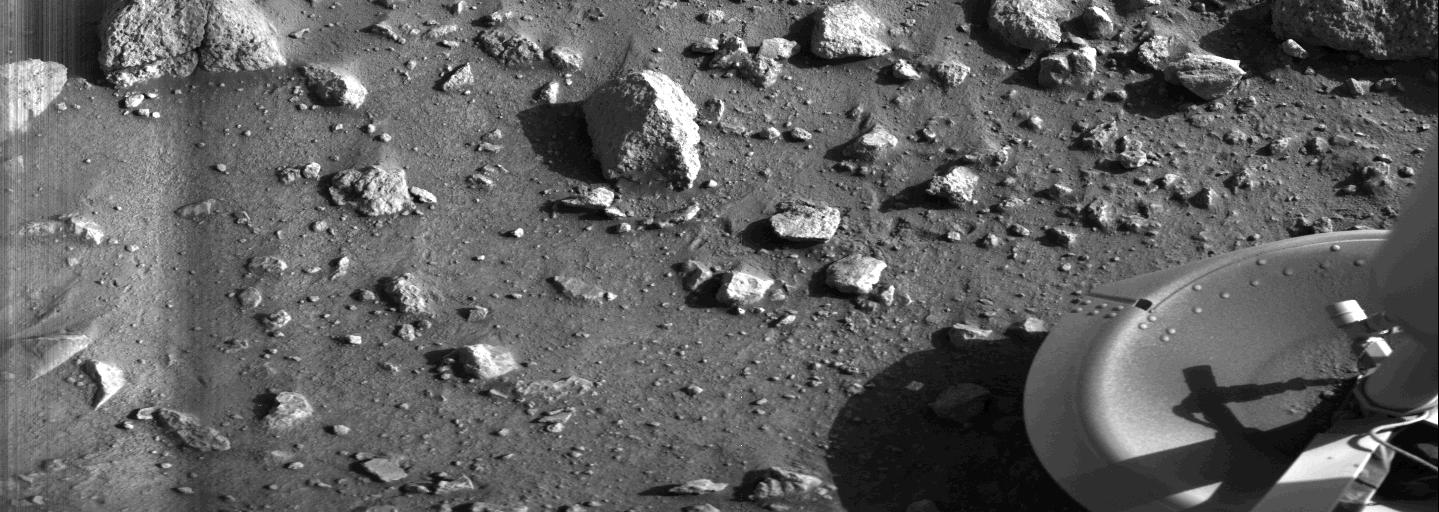
On the morning of July 20, 1976, roughly 40 minutes after mission controllers learned that Viking 1 had successfully touched down, this image gave us our first view from the surface of Mars. It was the kind of moment that makes you pause mid-sip and realize that yes, humans had finally managed to put a little robot on a world that had been staring back at us for generations.
That image didn’t just say, “We did it.” It whispered, “We did it, and we did it with a lot of tape and a little bit of nerdy bravado.” If you squint at it, you’ll notice rocks with tangled shadows, fine dust, and a horizon that promised endless possibilities and a long future of questions.
What the Image Made Us Feel
The moment was less about a postcard and more about a dare: a dare to imagine that a tiny machine, built in a lab, could photograph a world that had never hosted a human footstep. Mars, in that first grainy, heroic image, began to speak in a language we could almost understand: a language of rocks, shadows, and the soft whirr of a radio signal crossing the void.
The terrain looked quiet, meticulously indifferent to our curiosity, as if Mars were saying, with a polite Martian sigh, “Yes, I’ve been here longer than you’ve had dinner plans.” It wasn’t a vacation shot; it was the first stepping-stone in our ongoing flirtation with the cosmos.
Why Viking 1 Changed the Conversation
What followed that iconic moment were questions and the quiet, nerdy celebrations that make up the best part of science. What is that rock? How did the dust settle there? Are the shadows long because the sun is low or because the day has an existential crisis about being a Sunday? The answers came later, but the photo itself did most of the heavy lifting, turning a distant curiosity into a tangible, almost neighborly view.
Scientists, engineers, and dreamers saw not just rock and dust but a map of possibilities—where to land next, what instruments to send, and what questions still needed asking about a world that refused to reveal all its secrets in one sunlit afternoon.
The Photo That Started a Longer Story
Today, we’re accustomed to streams of rover data and endless galleries from Mars. But the Viking image was the spark that lit the campfire of Mars exploration. It reminded us that in the grand theater of the cosmos, we’re not merely spectators. We’re participants, editors, and occasional punchlines in a universe that loves a good milestone as much as a good joke.
In the end, the Viking 1 photo didn’t just show a landscape on Mars. It showed a species capable of grabbing a moment from the void, framing it, and saying with quiet bravado, “This is us. We did this.”
MediaLink via NASA
Copyright Notice: The image and referenced source content remain the property of their respective creators and rights holders. They are used here solely for commentary, discussion, and informational purposes. Please visit the original source links for attribution and additional information.
© 2026 ways4eu.wordpress.com – H.J. Sablotny. All rights reserved. The text content of this article is the intellectual property of H.J. Sablotny and may not be reproduced, distributed, or republished without permission. Images remain the property of their respective copyright holders and are used for illustrative and commentary purposes only.