Ways4eu WordPress.com Blog
SPA View of ways4eu.wordpress.com
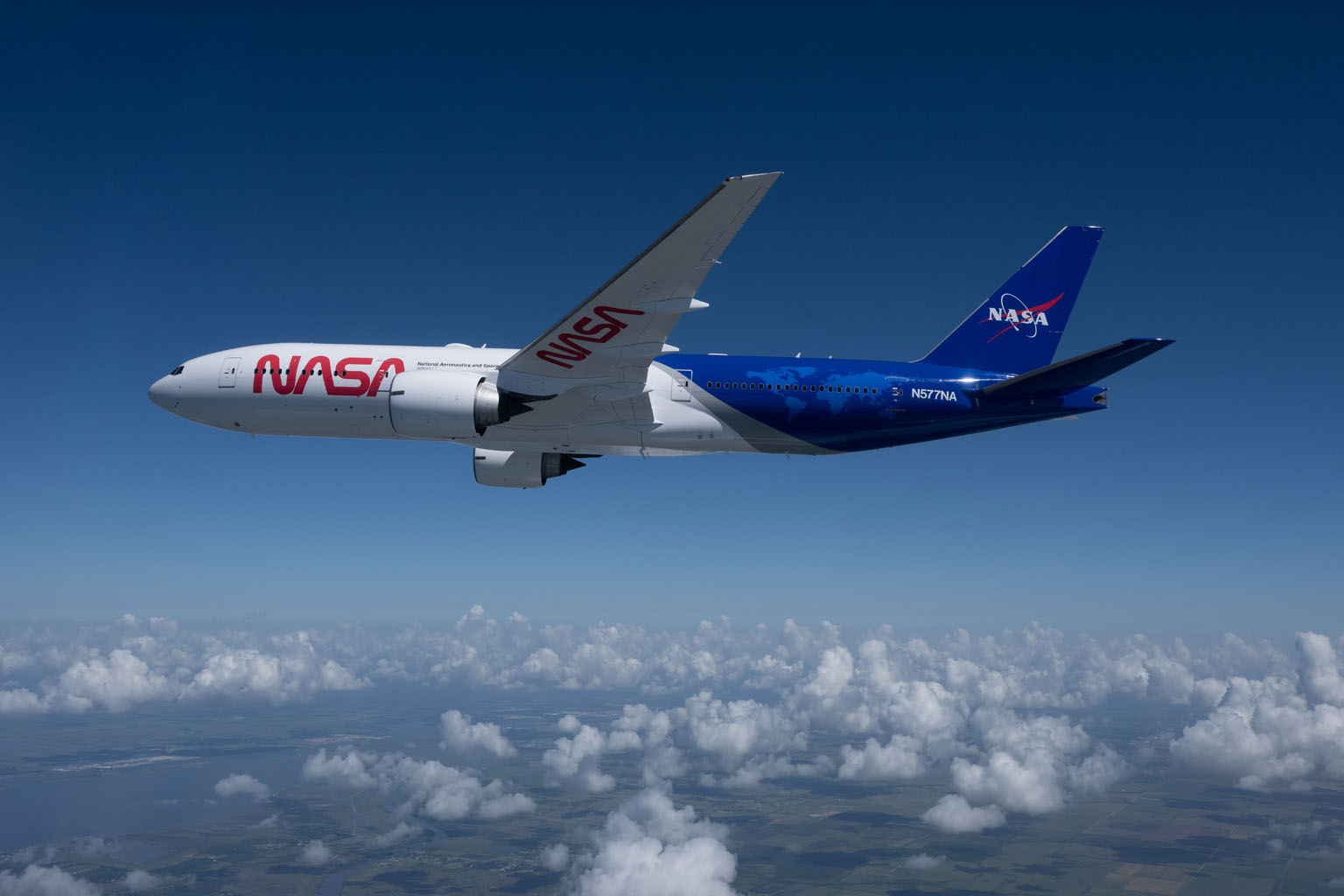
NASA’s B777 Gets a Fresh Look: A New Coat of Paint and a Sharper Runway Presence
By Kinda Cool
on Mon Aug 24 2026
Quick Links
- A fresh look on the tarmac
- Why a paint job still matters
- Langley and the research mission
- What the refresh signals
- Source links
A Fresh Look on the Tarmac
NASA’s Boeing 777 has rolled back onto the tarmac at Langley Research Center with a gleam in its airworthy eye and a fresh coat of paint that could double as a space-age selfie background. After a deserving spa day for its metallic skin, the agency’s B777 returns to duty not just looking sharp, but ready to dream bigger, roll smoother, and maybe finally beat the coffee machine in the break room at “fastest preflight snack run.”
In aviation terms, a paint job might seem like a cosmetic upgrade, but in NASA’s world, it’s part mission planning, part morale booster, and part aerodynamic fashion statement. The new scheme isn’t just about turning heads at airshows; it’s about signaling readiness for the next round of experiments, collaborations, and cross-country test flights. If you’ve ever watched a research aircraft taxi by and thought, “That machine looks confident,” you’re not imagining things. A fresh coat can help with visibility, branding, and the subtle art of making engineers smile in the morning when they see a glint of sunlight off a pristine fuselage.
Why a Paint Job Still Matters
What does a new paint scheme mean for the mission work? Quite a bit, actually.
- Visibility for safety and collaboration: A bright, recognizable design helps ground crews, air traffic control, and visiting researchers spot the aircraft quickly on the ramp, reducing the chances of a “Where did it go?” moment during busy days.
- Thermal management vibes: While paint color isn’t a substitute for engineering, lighter shades can reflect more sunlight, which can help with some thermal considerations when the aircraft sits in the sun between test sessions. It’s not a magical cloak; it’s more like a sunhat for high-tech hardware.
- Branding with a purpose: The new look often carries the agency’s evolving stories — missions to explore Earth, air, and beyond — while keeping lines of communication clear between NASA and partner organizations, universities, and industry teams.
Langley and the Research Mission
NASA’s B777 is known for its balance of range, payload, and reliability. In NASA service, it’s a versatile platform for a variety of research payloads and experimental setups. The paint refresh is the cherry on top of a wallet of capabilities — ensuring the plane not only performs well but presents well in photo ops, outreach events, and those social media moments when a perfectly framed shot can spark curiosity in a child who might someday design the next big thing in spaceflight.
Some people might wonder if a paint job affects performance. In the real world, the impact is usually incremental and highly specific to the materials and coatings chosen. NASA, with its knack for meticulous testing, will have weighed the pros and cons — looking at factors like weight, thermal properties, UV resistance, and ease of maintenance. The result is likely a durable, NASA-appropriate finish that looks stellar on the ramp and stands up to the rigors of research flight operations.
What the Refresh Signals
Behind the scenes, you can imagine the crew preparing for the return to Langley: technicians inspecting the finish for any micro-scratches or seepage of pride, pilots doing the ceremonial preflight walk-around with a mix of seriousness and humor that only a long project can conjure, and a communications team scripting captions that will do justice to the aircraft’s new personality without getting too poetic about metal.
If you’re a space-nerd with a soft spot for aviation aesthetics, the refreshed B777 is a reminder that NASA’s work isn’t just about the rockets and the probes — it’s also about the tools that make those journeys possible. The paint tells a story of ongoing exploration, collaboration, and the everyday joy of making something beautiful that serves a serious purpose.
In the end, the B777’s new coat is more than skin deep. It’s NASA’s way of signaling readiness to push the envelope, to test boldly, and to keep Langley’s legacy alive in a contemporary wardrobe that still leaves room for a little whimsy. So next time you see a photo of the B777 at Langley, you might notice not just the engineering brilliance but a gleam of sun on fresh paint — proof that even a workhorse aircraft can wear its ambition with a smile.
Source Links
© 2026 ways4eu.wordpress.com H.J.Sablotny — All rights reserved. The text content of this post is the intellectual property of H.J.Sablotny. Images are subject to their respective copyright holders and are used for illustration purposes only.