Ways4eu WordPress.com Blog
SPA View of ways4eu.wordpress.com
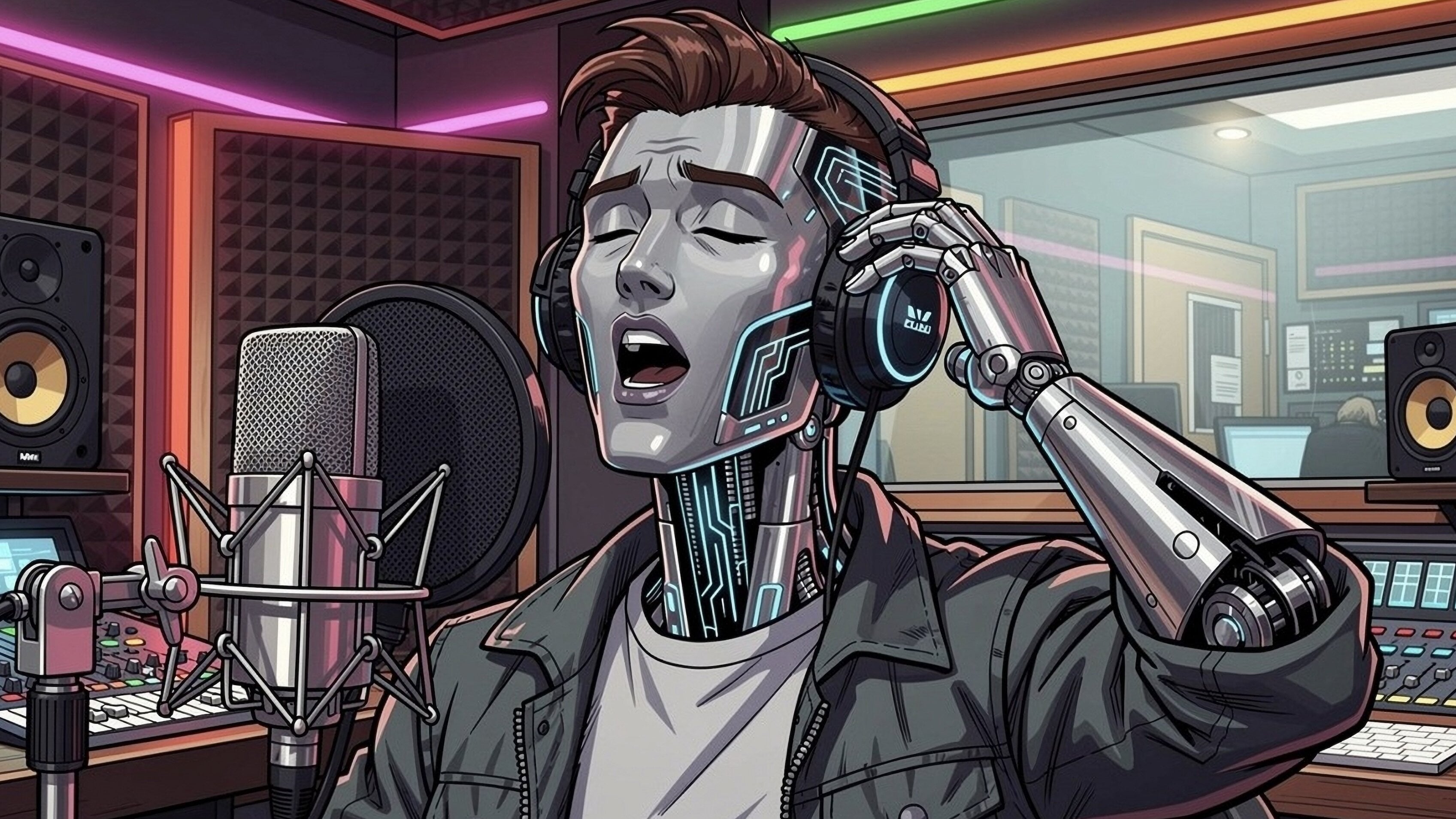
Spotify’s “Transparency” Play: Label AI Artists and Hide Them from Your Discover Weekly, Because Subtlety Is for Humans
By Kinda Cool
on Mon Aug 24 2026
Quick Links
- The label and the velvet rope
- Authenticity, discovery, and default settings
- What this means for artists and listeners
- Algorithms, control, and the future of music
- Source links
The Label and the Velvet Rope
If you’ve spent any time scrolling through Spotify’s endless waves of sounds, you’ve probably noticed the quiet, ceremonial way the platform loves to publish policy updates that feel suspiciously like buffering a controversial feature behind a polite banner. Their latest move? Label AI-generated artists and keep their music out of recommendations by default. Yes, the algorithm is now playing a game of hide-and-seek with the future, and the rest of us are left to root around in the dust for the hidden track.
First, the buzzword bingo. They’ll label AI-generated artists, which sounds good in a boardroom and dreadful when you realize you’ll need a flashlight to find their tracks in your discovery feeds. It’s transparency, but make it fashionably opaque. The label serves as a neon sign that says: “This one is synthetic, but we’re not going to tell you which feature was generated by which spark of machine learning when you’re on your run.” And let’s be real: you’ll still have to read the fine print, because if you don’t, you’ll end up streaming a chorus that seems a touch too perfectly calibrated, as if autotune found its ultimate muse in an algorithmic museology class.
Authenticity, Discovery, and Default Settings
Second, the default setting. Keeping AI-generated music out of recommendations by default is a bold choice — bold in the same way a magician’s trick is bold: you know there’s something happening, but you’re not sure if your ears are the rabbit or the hat. This means discovering AI artists requires a deliberate detour rather than a casual stumble onto the next big thing. It’s like politely asking your GPS to stop suggesting shortcuts when you clearly want to be misled by the scenic route. The result? A world where the algorithm actively protects humans from their own curiosity by placing a velvet rope around synthetic creativity.
This move raises several spicy questions that the tech press loves to pretend aren’t existential: What does ‘authenticity’ even mean when a track can be born from code, not chords? If a melody is generated in a lab, is it less legitimate than one hammered out on a vintage piano by a human who’s cried twice in the last decade? And who benefits from this labeling? Artists who fear being mistaken for a bot? Listeners who crave discovery but also fear the uncanny valley? The answer, of course, is always a neat blend of risk management and brand-safety vibes: protect the precious human artists, protect the listenership, and quietly audit the rest.
What This Means for Artists and Listeners
From a business perspective, this feels like a PR-safe way to say: we recognize AI exists and is influential, but we’ll serve it in a curated, softly lit room where you can’t quite peek behind the curtain without signing a waiver. It’s a compromise that reads well in a press release and plays poorly in the music ecosystem’s gut. Because music discovery thrives on friction: the unexpected, the imperfect, the wildly unpolished. When you remove AI from the feed by default, you’re removing a whole class of creative experiments that might otherwise spark new genres, new collaborations, or even a completely new way to approach a lyric’s meaning.
Let’s talk implications for artists. For human creators, the policy feels like a shield and a knife at once. A shield because it discourages impersonation and ensures there’s a verifiable origin story behind what’s being streamed. A knife because it also signals: your work will compete in a marketplace where synthetic finished products can be flung into the same pool, but only after they’ve been labeled and placed behind a barrier. It’s the kind of double-bind that makes you wonder if the music industry’s love affair with innovation is really just a love affair with plausible deniability.
For listeners, the verdict is equally mixed. Some will applaud the transparency — finally, a label that tells you what you’re hearing isn’t a living, breathing musician with a heartbeat and a social life. Others will miss the thrill of the accidental discovery, the moment you realize a track was created by someone tinkering with wavetables and probability curves rather than a person who might be living a chaotic, caffeinated life in a studio. The question remains: does transparency help or hinder the magical unpredictability that makes a playlist feel alive?
Algorithms, Control, and the Future of Music
In the end, Spotify’s latest move feels like a band-aid on a flame war. It signals progress, sure, but it also signals that the conversation about AI in music isn’t about garnish or future potential; it’s about control, labeling, and where the line is drawn between creation and categorization. If the goal is to protect the human musician while still letting technology push boundaries, the next step should be a genuine, user-friendly bridge: clear provenance, accessible discovery channels for AI work, and algorithms that celebrate novelty without asking listeners to wade through policy pages to understand what they’re hearing.
Until then, you can expect the streaming world to keep labeling, shielding, and soft-steering you away from the uncanny, all while the algorithms quietly remix a future that might not even resemble the present. And yes, we’ll click through, we’ll listen, and we’ll probably argue about it on the internet — while the music keeps playing, whether played by a human, a chatbot, or something in between.
Source Links
© 2026 ways4eu.wordpress.com H.J.Sablotny — All rights reserved. The text content of this post is the intellectual property of H.J.Sablotny. Images are subject to their respective copyright holders and are used for illustration purposes only.