Ways4eu WordPress.com Blog
SPA View of ways4eu.wordpress.com
Lunar Occultation of Venus: A Daytime Sneak Peek at a Shy Cosmic Neighbor
By Kinda Cool
on Tue Sep 08 2026
Quick Links
- a Daytime Vanishing Act
- how the Moon Hid Venus
- a Small Event with Large Wonder
- why the Sky Rewards Patience
A Daytime Vanishing Act
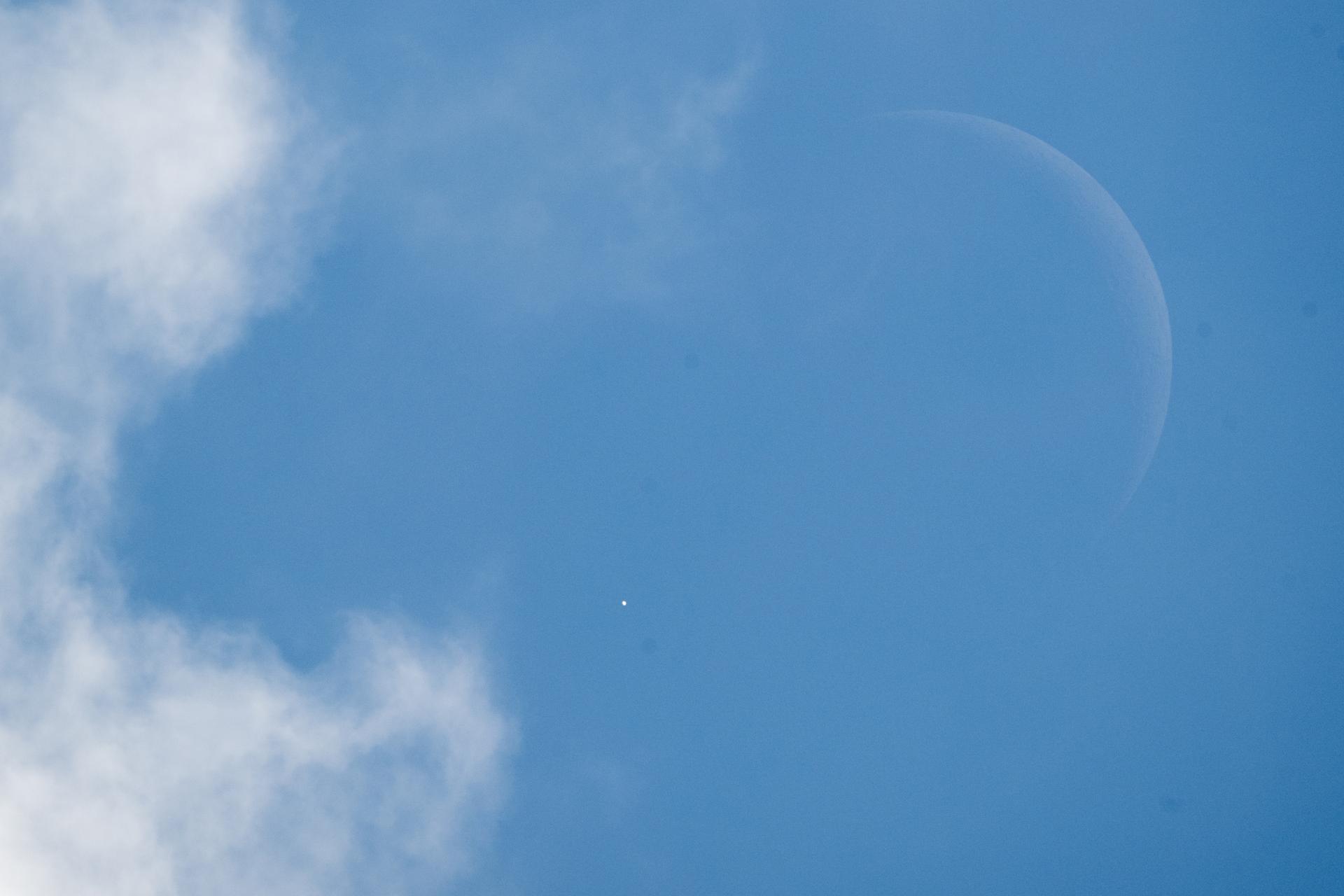
On Wednesday, June 17, skywatchers across the United States—and parts of Canada—enjoyed a rare event: a daytime lunar occultation of Venus. If you’re wondering what that even means, you’re not alone. Think of Venus as that dazzling friend who loves to pose for selfies at sunset, then decides to duck behind the Moon for a quick game of cosmic hide-and-seek while the sun is still doing its best to embarrass us with daylight. The Moon, ever the dramatic stage manager, moved into position and briefly swept Venus out of our line of sight. Curtain call? Not quite. But the show was short, sweet, and a little celestial.
What exactly happened? In simple terms, the Moon drifted between Earth and Venus, temporarily blocking our view of the planet as both bodies drifted through the daytime sky. It’s one of those events that sounds fancy and scientific, but basically boils down to the universe saying, “Let’s give Venus a daytime cameo and surprise the planet nerds.” The result was a fleeting moment when Venus disappeared behind the Moon’s bright edge and then reemerged, like a magician’s twist—except with less abracadabra and more orbital mechanics.
How the Moon Hid Venus
Observers across North America lined up their telescopes, binoculars, and even their curiosity, hoping for a glimpse of the occultation’s delicate timing. For many, it was a reminder that the sky is full of surprises—even in daylight, when stars are supposed to be shy and off-duty. Venus, the planet that loves to look formidable in the evening sky, suddenly played the role of “the moon’s polite guest star,” stepping off the stage only to permit a brief, aluminum-foil shade from a familiar lunar silhouette.
For those who missed the show, fear not: the heavens will dish out more wonders, often when you least expect them. Lunar occultations are not daily headlines, but they do remind us that the sky has more chapters than a soap opera, and the cast changes with every orbit. Keep your eyes peeled; the cosmos loves to surprise us with these little moments of celestial theater.
Until the next celestial cameo, keep looking up. The universe has a knack for keeping its punchlines short but stellar.
A Small Event with Large Wonder
Details mattered, too, for the nerds of timing and geometry. The event served as a practical reminder of how our Moon’s orbit can align with distant planets in ways that make daytime stargazing feel almost clandestine. People talked about the exact moment of disappearance, the duration of invisibility, and how different viewers at various latitudes might have had slightly different experiences based on where they stood on Earth. It’s not just pretty pictures; it’s a reminder that celestial choreography is both precise and playful.
Tips for future observers:
– Check local skywatching resources for timing windows specific to your location. Daytime occultations can be precise, and a small miscalculation can mean you miss the moment entirely.
– Use appropriate viewing equipment if you have it, but don’t feel compelled to overdo it. A simple pair of binoculars or even a bare eye (when the sky is clear and the Sun is politely out of the way) can be enough to appreciate the brief disappearance and reappearance.
– Protect your eyes and never look directly at the Sun without proper protection. If you’re aiming to observe any daytime event, safety first.
Image via NASA https://ift.tt/Q2fqZmr
Why the Sky Rewards Patience
If you were lucky enough to witness it, you probably spent a moment appreciating the sheer absurdity of humanity: we built weatherapps and satellite trackers so we could watch a giant rock drift in front of another rock while the Sun kept insisting it was noon. And yet, there’s a certain whimsy in that: even in broad daylight, the universe can stage a quiet, almost mischievous, spectacle.
In the end, the daytime lunar occultation of Venus on June 17 was a tiny reminder that the cosmos still loves surprises. Venus showed up, the Moon showed off, and skywatchers got a front-row seat to a cosmic wink—brief, brilliant, and utterly worth sharing with friends who still think stargazing is a thing of old calendars and dusty observatories.
Copyright Notice: The image and referenced source content remain the property of their respective creators and rights holders. They are used here solely for commentary, discussion, and informational purposes. Please visit the original source links for attribution and additional information.
© 2026 ways4eu.wordpress.com – H.J. Sablotny. All rights reserved. The text content of this article is the intellectual property of H.J. Sablotny and may not be reproduced, distributed, or republished without permission. Images remain the property of their respective copyright holders and are used for illustrative and commentary purposes only.