Ways4eu WordPress.com Blog
SPA View of ways4eu.wordpress.com
NASA’s DAVINCI Probe Can Stand the Heat
By Kinda Cool
on Sat Oct 03 2026
What Happened in Space
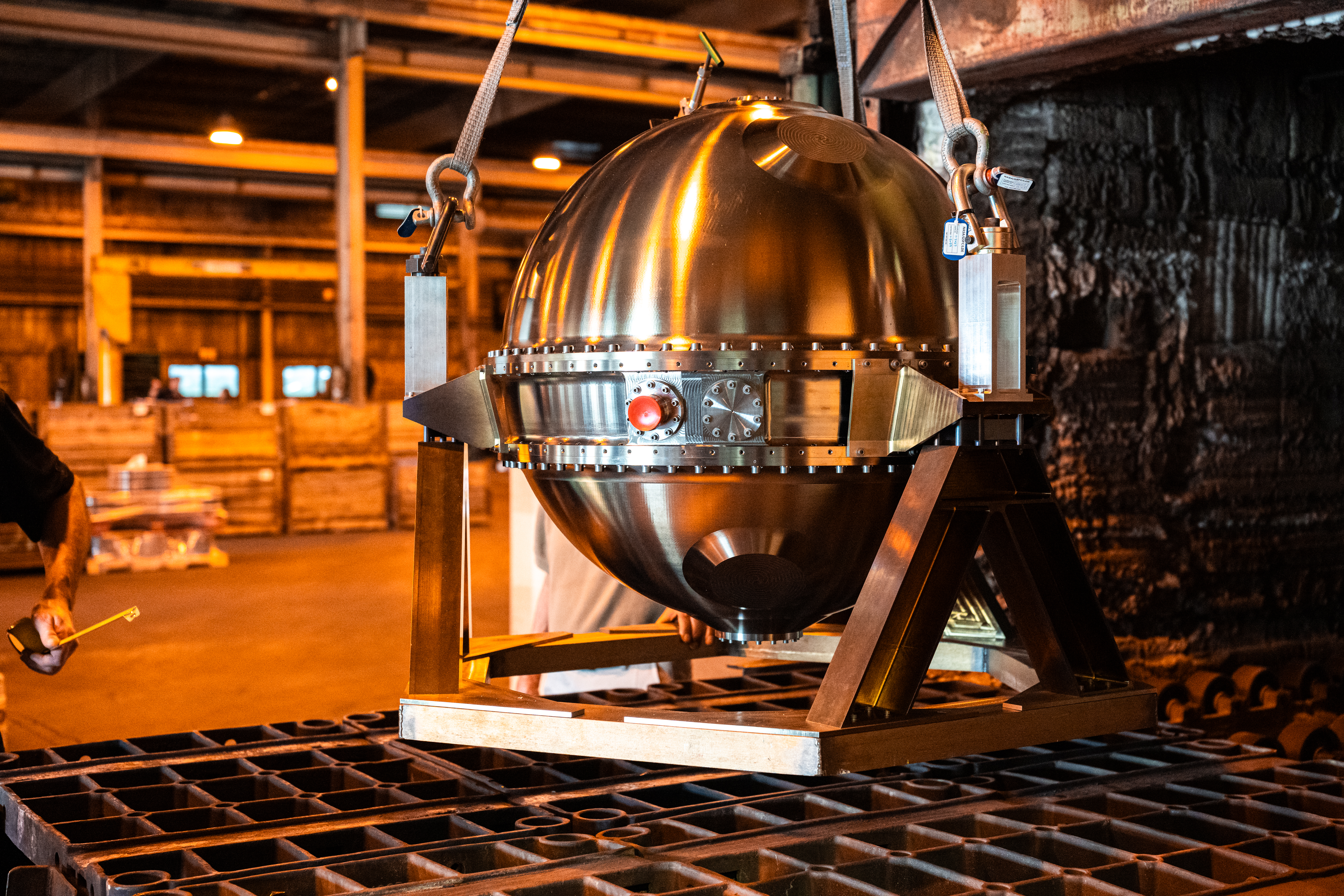
If you’ve ever cooked a perfect sunny-side-up egg, you know a thing or two about heat. Now imagine doing that on Venus, where the oven temperature is basically the universe’s hottest mug cake. NASA’s engineering crew has just given the nod to a big step forward in that cosmic kitchen: an engineering model of the DAVINCI probe passed a grueling test that ran from Aug. 28 to Sept. 10, proving it can survive the extreme temperatures of Venus.
Let’s set the scene. Venus is not your friendly neighborhood planet. It doesn’t just glow with a pretty sulfuric-sky vibe; it radiates heat like a dragon with a fondness for hot tubs. Surface temperatures hover around 900-plus degrees Fahrenheit (460 degrees Celsius), and the atmospheric pressure is nearly a hundred times that of Earth’s at sea level. It’s the kind of environment that makes you thankful for air conditioning—if your air conditioner weighed tons and could fit in a spaceship.
Enter DAVINCI, short for Deep Atmosphere Venus Investigation of Noble gases, Chemistry, and Imaging. This descent probe is NASA’s data-detective-in-a-helium-jacket, designed to dive through Venus’s atmosphere and bring back clues about its mysterious past—things like how noble gases behave when you’re basically standing on a lava-fried pancake. The engineering model tested recently was all about durability: could the probe withstand the heat, the humidity, the pressure, and the occasional sky-high lava-lava moment without throwing up its thermal shield and wi-fi signal?
The Science Behind the Scene
The test window—from Aug. 28 to Sept. 10—was dramatic in all the right ways. Engineers subjected the model to temperature extremes, thermal cycling, and all the other fun “will it survive?” questions you’d expect from a machine designed to be roasted alive while sending back selfies of atmospheric layers. The verdict? A confident YES, with a side of victory dance (probably performed off-camera, but you can imagine the celebratory air guitar).
What does this mean for Venus nerds and space fans alike? It means the DAVINCI mission is moving from concept to reality more smoothly than a probe gliding through a Venusian cloud deck. The heat-test success is a crucial milestone, proving the craft’s thermal management system can wrangle Venus’s wrath and keep instruments safe long enough to gather meaningful science data. The mission will study the chemical makeup of the atmosphere and sculpt a better understanding of how Venus evolved—information that might one day help us dodge repeating Earth’s own past mistakes or at least learn how not to design a planet that’s basically a giant oven with a halo.
What the Images Reveal
And yes, humor has a place in science, especially when the stakes include “will my instruments melt before I can measure noble gases?” The engineers who brought this test to life deserve a high-five, a coffee, and perhaps a celebratory meme about being cool under pressure—literally. Their success is a reminder that behind every glimpse of distant worlds lies a crew of people who can turn a pile of numbers, materials, and thermal equations into something that can survive a planetary sauna.
As the DAVINCI mission continues to come together, we’re reminded that space exploration is as much about meticulous engineering as it is about wonder. Venus has been the red-hot mystery of our solar system for ages, and now, thanks to the heat-toughness of this engineering model, we’re one step closer to decoding its atmospheric secrets. So here’s to the teams that test, test again, and test some more, until the heat becomes just another data point—and maybe a funny anecdote to tell at the next mission briefing.
Why the Observation Matters
In the ever-tempting realm of space science, surviving Venus’s blaze isn’t just a bragging right; it’s a gateway to discoveries that could illuminate our own planet’s past and future. The DAVINCI probe isn’t just weathering the heat; it’s turning up the thermostat on human curiosity, one noble gas at a time.
Image via NASA https://ift.tt/wMiNY1D
Copyright Notice: The image and referenced content remain the property of their respective creators and rights holders. They are used here solely for commentary, discussion, and informational purposes. Please visit the original source links for attribution and additional information.
© 2026 ways4eu.wordpress.com – H.J. Sablotny. All rights reserved. The text content of this article is the intellectual property of H.J. Sablotny and may not be reproduced, distributed, or republished without permission. Images remain the property of their respective copyright holders and are used for illustrative and commentary purposes only.