Ways4eu WordPress.com Blog
SPA View of ways4eu.wordpress.com
Martian Yardangs Carved by Cosmic Winds
By Kinda Cool
on Tue Oct 20 2026
🔎 Martian Yardangs Record Ancient Wind Erosion
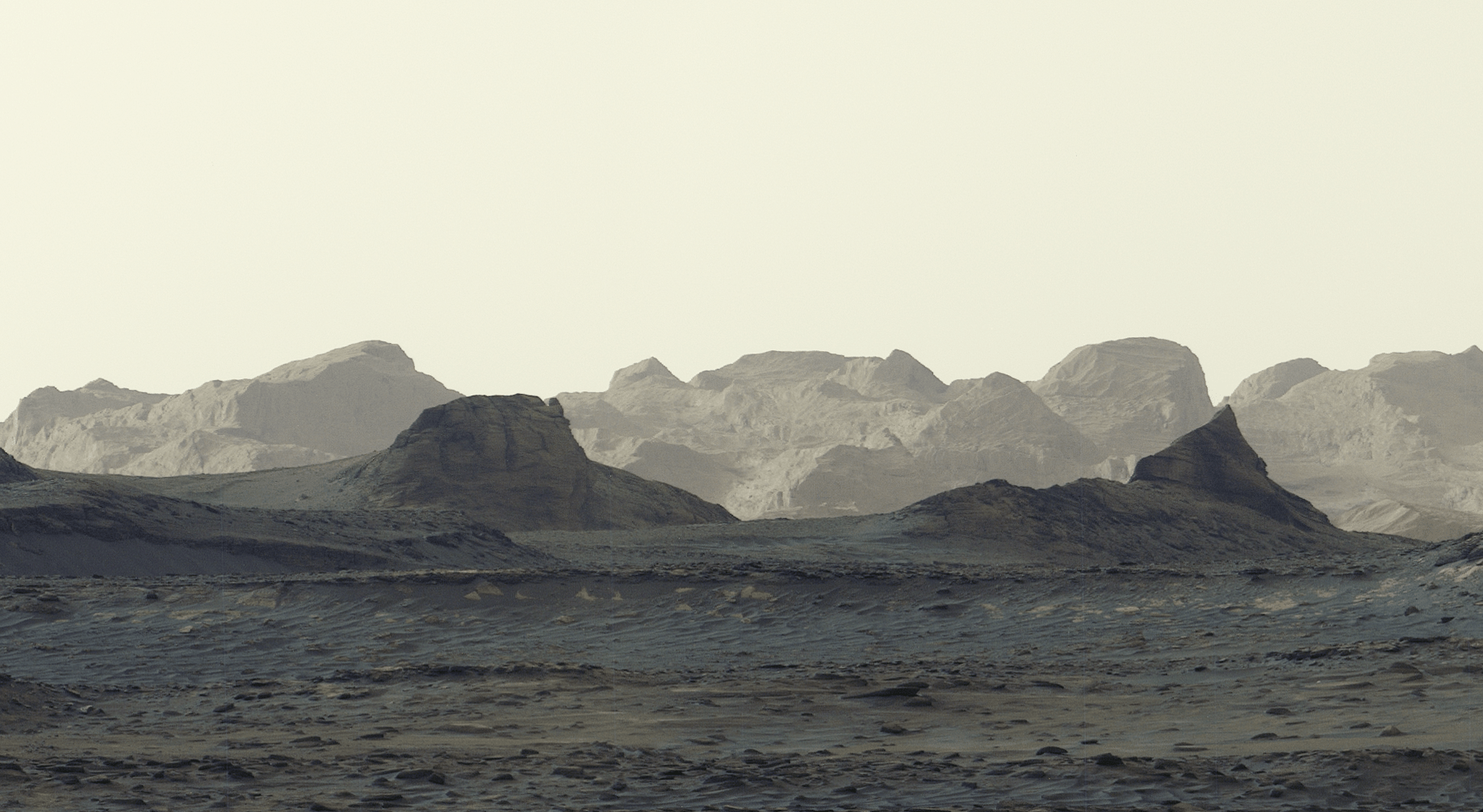
If you’ve ever tried to sculpt a sandcastle only to have the ocean politely remind you who’s actually in charge, you’ll understand the curb appeal of yardangs. On Mars, these wind-chiseled crags rise like extraterrestrial teeth in a desert grin, carved by the patient, relentless brush of aeolian artistry. A recent zoomed-in crop from a broader panorama captured by NASA’s Curiosity rover gives us a close-up look at this sculpted whimsy, and yes, it’s every bit as cinematic as it sounds.
The scene is Martian dawn in high definition. The yardang layer—a layered waltz of wind-formed ridges and grooves—begs for a closer look, not because we need more drama in space, but because we crave the backstory. How did these wind-carved shapes come to be? What did the planet’s climate whisper into the rocks over millennia to coax them into such sculpted storytelling? Curiosity’s instruments are basically astrophysicists with a taste for geology, peering at the grooves and asking the slow, stubborn questions that lead to big answers: What minerals lie within these layers? How did grain sizes shift over time? And most importantly, what can these ancient winds teach us about Mars’s past, present, and perhaps, future?
📍 Curiosity Rover Examines Layered Cliff Geology
There’s a certain wince-worthy humor in watching a rover work up close, its wheels crunching across dust as the wind stirs the memory of storms that no human has witnessed firsthand. The zoomed-in crop in the panorama is like squinting through a telescope at a cosmic breadcrumb trail. Each yardang, each striation, whispers about the conditions that once reigned where Curiosity now rests its camera eye. The scientist in us—restless, curious, and occasionally insufferably precise—wants every clue: the grain rhythm, the terrace-like steps, the mineral differences that hint at a shifting climate. It’s the geology equivalent of reading the margins of a dusty diary and realizing the author had a fair bit of personality.
And yet, the wonder remains simply exhilarating. Yardangs aren’t just curiosities; they’re archives. They tell a story of winds that spent eons shaping the surface, of layers that recorded episodes of erosion, cementation, and quiet planetary weathering. The excitement isn’t just in identifying their shapes, but in reconstructing the sequence of events that produced them. Was there a time when stronger winds commandeered the landscape, or did a long lull allow finer particles to settle and bind into the record we read today? Each discovery adds a plot twist to Mars’s ongoing narrative—and trust me, Mars loves a good plot twist.
✨ NASA Data Reconstructs Mars’s Climate History
The Martian dawn depicted in that crop is also a reminder of how far we’ve come in our exploration. Curiosity wasn’t sent to take selfies (though we’re not complaining about the astrophotography potential). It was sent to answer the questions that only a rover with a rock-hammer attitude and an insatiable curiosity could pursue. The yardang layer is a chapter header in a much larger book about Martian geology, climate history, and the planet’s capacity to preserve environmental memories in stone.
So, what’s next for the curious minds back on Earth (and the rovers humming along the dusty plains)? More data, more cross-referencing with rover instruments, and a whole lot of patience. Understanding how the yardangs formed isn’t a one-off revelation; it’s a cascade of insights that gradually clarifies Mars’s weathered past and its potential to surprise us at every turn. Scientists will continue to analyze the textures, the mineral signatures, and the spacing of the ridges, each clue nudging us closer to a coherent tale of aeolian craftsmanship on a world far from our own.
🧭 Martian Dawn Points Toward New Discoveries
In the end, the thing that makes yardangs so compelling isn’t just their striking silhouette against the Martian sky. It’s what they represent: time, wind, and the stubborn, patient artistry of nature. As Curiosity keeps turning its camera toward the horizon, we’re reminded that dawn on Mars isn’t a line drawn across the sky but an ongoing, evolving sculpture show—one that we have the privilege to study, one grain at a time.
Image via NASA https://ift.tt/6jAEaz3
Copyright Notice: The image and referenced content remain the property of their respective creators and rights holders. They are used here solely for commentary, discussion, and informational purposes. Please visit the original source links for attribution and additional information.
© 2026 ways4eu.wordpress.com – H.J. Sablotny. All rights reserved. The text content of this article is the intellectual property of H.J. Sablotny and may not be reproduced, distributed, or republished without permission. Images remain the property of their respective copyright holders and are used for illustrative and commentary purposes only.