Cancer Cells Get a Microgravity Laboratory
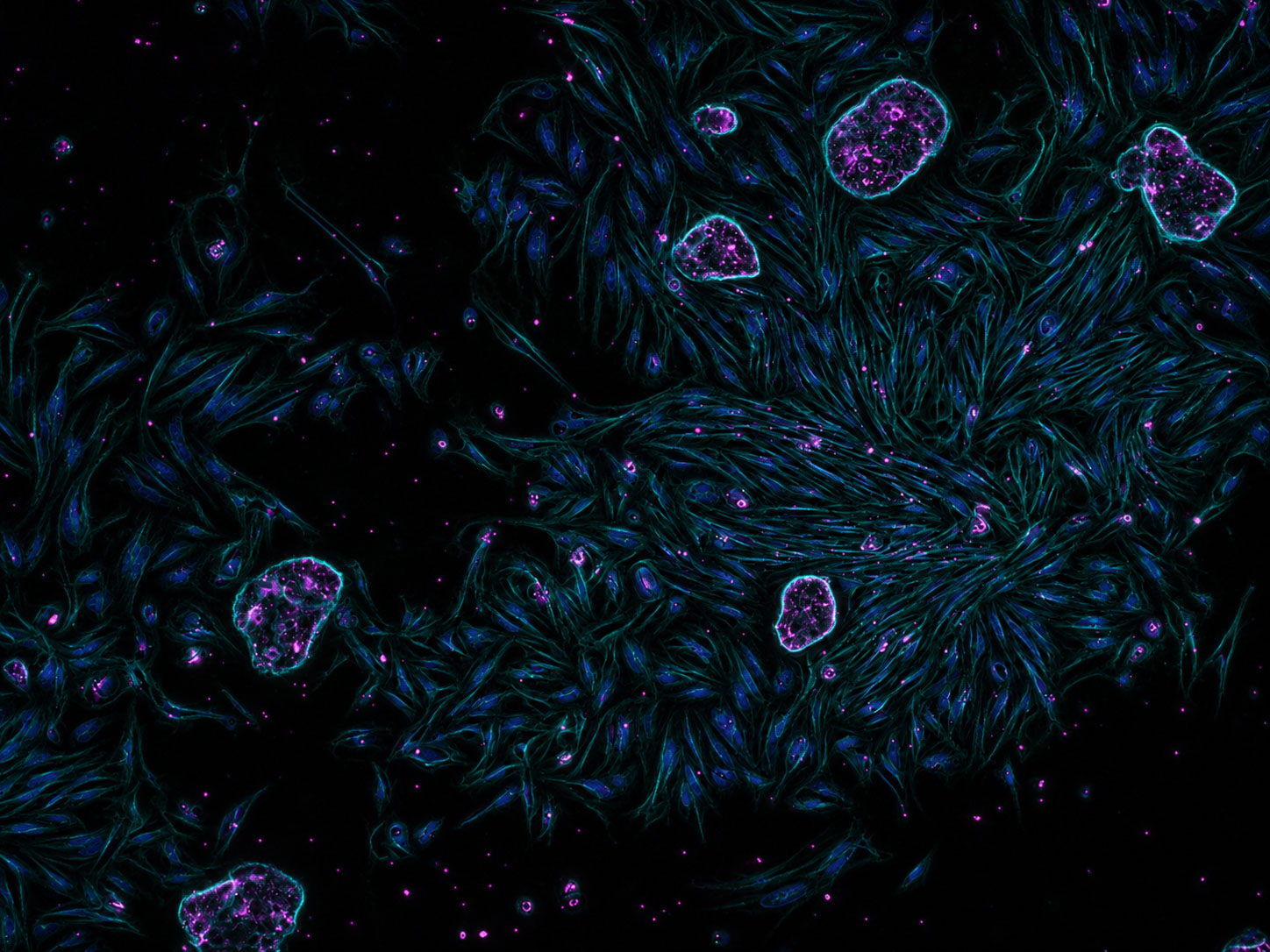
Encapsulate-1 Carries Patient Tumors into Orbit 🧫
NASA’s Encapsulate-1 investigation studies patient-derived gastric microtumors aboard the International Space Station. The samples sit in contained biochips designed for controlled observation. This is not cancer receiving a complimentary space holiday; it is a laboratory removing one persistent environmental variable.
Microgravity Changes How Cells and Fluids Settle 🛰️
Orbit does not eliminate gravity, but continuous free fall produces microgravity conditions. On Earth, sedimentation and buoyancy influence cell cultures and fluid movement. In orbit those effects are greatly reduced, allowing researchers to examine cell movement and interaction without the usual downward bias.
Three-Dimensional Microtumors Preserve Useful Complexity 🔬
Patient-derived models can retain more biological variation than a single conventional cell line. Researchers can watch how cells organize, communicate and respond inside three-dimensional tumor models. The experiment does not recreate a whole human body, and the ISS does not magically solve oncology; it creates a strange, tightly bounded comparison that Earth laboratories cannot duplicate exactly.
Orbital Results Must Return to Earthly Validation 🌍
Any observed difference needs replication, controls and follow-up before it can influence treatment research. Small samples and unusual conditions are sources of insight, not shortcuts around evidence. NASA’s published image and explanation show the hardware; translational cancer research begins later, when floating results meet terrestrial experiments and refuse to be impressed by the view.
Sources
- NASA — Studying Cancer Cells in Microgravity
- NASA — International Space Station research overview
- NASA image — Encapsulate-1 gastric microtumors
Copyright Notice: The image and referenced content remain the property of their respective creators and rights holders. They are used here solely for commentary, discussion, and informational purposes. Please visit the original source links for attribution and additional information.
© 2026 ways4eu.wordpress.com – H.J. Sablotny. All rights reserved. The text content of this article is the intellectual property of H.J. Sablotny and may not be reproduced, distributed, or republished without permission. Images remain the property of their respective copyright holders and are used for illustrative and commentary purposes only.
Community discussion
0 comments
Comments are stored with the original article on WordPress.com and protected by its moderation and spam controls. You can comment with a WordPress.com account or continue as a guest.
No comments yet. Start the conversation.